Southern Leyte, Eastern Visayas
First-year output from an 11.76 kWp Southern Leyte project
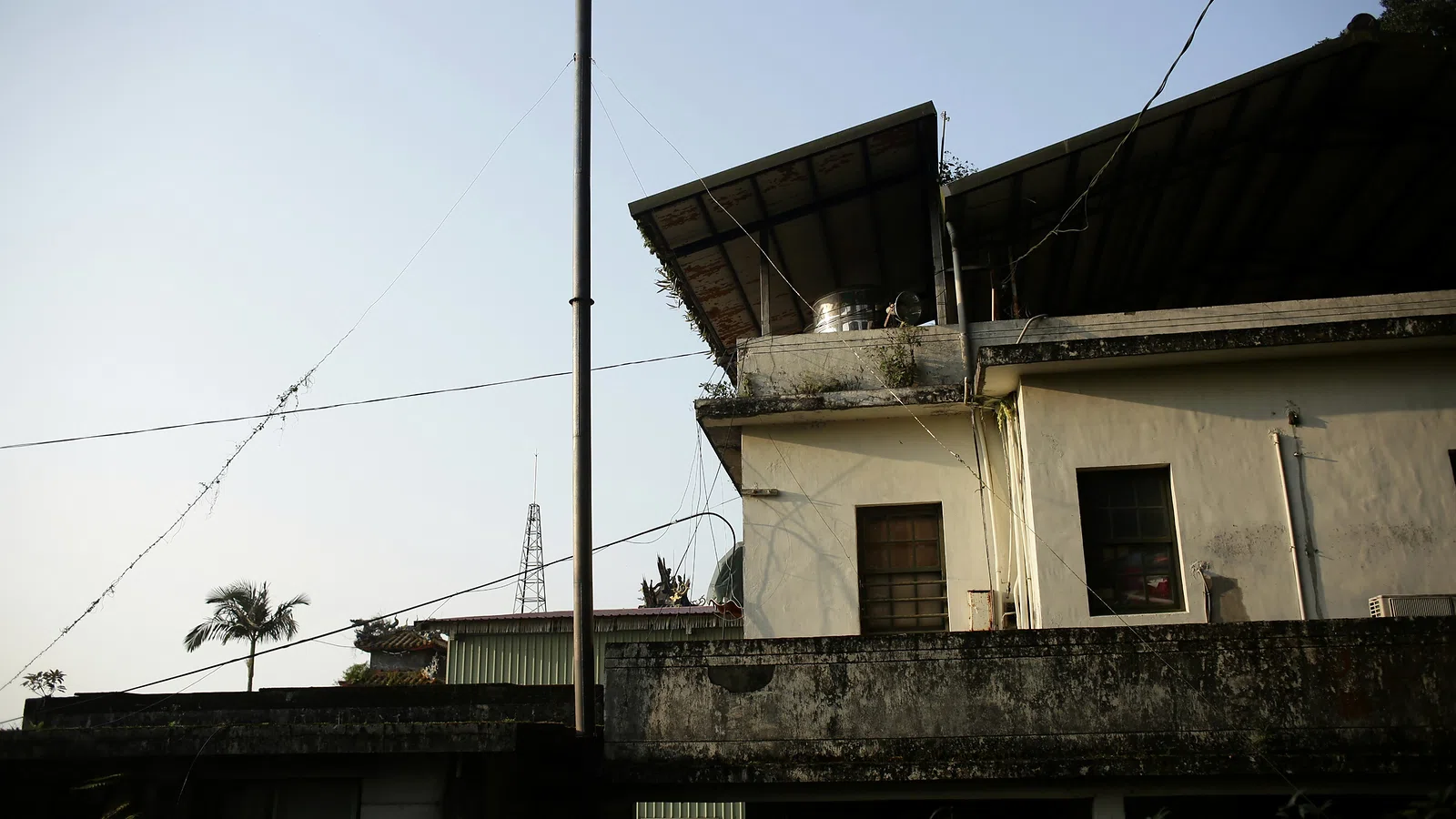
A DOE-documented orphanage project produced 15,876 kWh in its first year, equivalent to about 1,350 kWh per installed kWp.
Documented project figures
System size: 11.76 kWp
System type: Grid-tied
Documented annual output: 15,876 kWh
Specific yield: 1,350 kWh/kWp/year
Evidence period: DOE-documented first year
What the source does not prove
What this should change in your planning
- Specific yield makes projects of different sizes easier to compare.
- A first-year result should not be treated as a guaranteed lifetime average.
- Institutional daytime loads can align well with solar production.
How to compare this case with your own project
Start with capacity, system type, location, evidence period, and specific yield. This 11.76 kWp project documents 15,876 kWh of annual production, but that figure should not be copied directly into another property. Roof orientation, shade, weather, inverter limits, downtime, maintenance, and the share of electricity used during daylight can change both production and financial value. Compare the documented yield with the visible national planning range, then enter your own bill, roof, and backup requirements in the calculators.
Treat the project as evidence, not a promise of identical results.