Choosing a solar installer
A practical due-diligence guide for shortlisting and comparing installers.
Part of the: Choose and compare solar installers
Author
SolarGabay Editorial Team — independent consumer-focused writers who translate technical sources into practical homeowner guidance.
Technical review
Reviewed against the published methodology, source hierarchy, and stated limitations. This is educational guidance, not site-specific engineering.
Update history
Last reviewed July 20, 2026. Corrections are logged through the public corrections process and material changes update this date.
View correction policyPractical answer
What you should know first
A good installer does more than sell equipment. They check your site, size the system honestly, design protection correctly, manage permits, document the work, and support you after commissioning. Choosing well can matter as much as picking the right panel brand.
The installer’s process, documentation, and after-sales capacity matter as much as the equipment list.
Decision map
Shortlist on evidence
Verify the business
Identity, address, contact channels, track record, and equipment sourcing.
Compare the design
Site findings, layout, protection, generation assumptions, and exclusions.
Test support
Who answers faults, processes warranties, and visits after commissioning.
The variables that matter
Legitimacy and traceability matter. Verify business identity, address, contacts, and equipment sourcing.
Quotation quality matters. A weak quote often predicts weak execution.
After-sales support matters because solar systems operate for years, not weeks.
A polished social page or badge does not prove engineering quality or workmanship.
Shortlist companies before comparing price
Energy agencies recommend interviewing several installers and checking credentials, experience, insurance, subcontractors, and references. Local legal requirements differ, so credentials must be verified in the jurisdiction where the work will occur.
A competent installer should be able to explain the roof assessment, system model, electrical protection, permit responsibilities, monitoring, and warranty process without relying on vague claims.
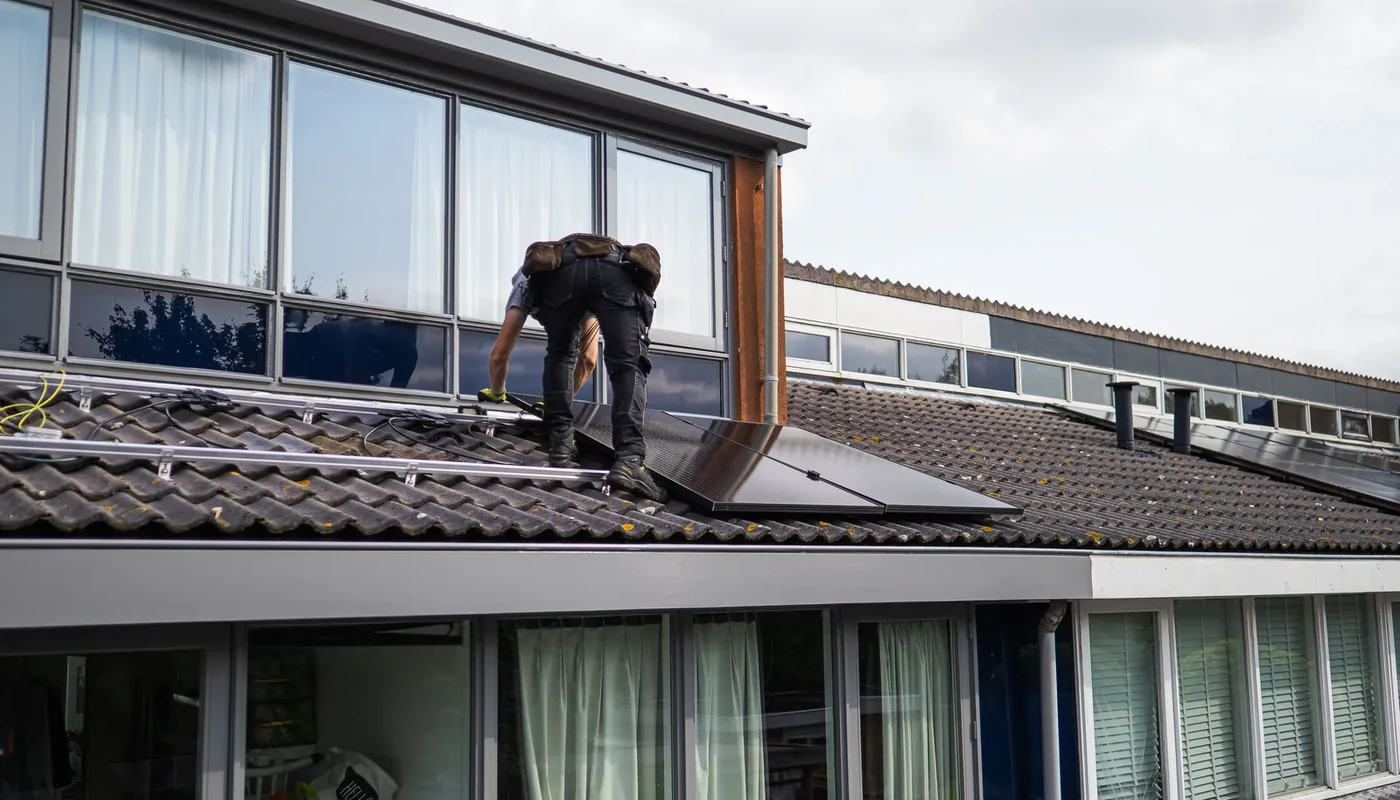
Verify the legal business identity and current contact details.
Ask who performs design, installation, commissioning, and service.
Request examples of comparable projects and speak with past customers where possible.
Look for evidence of a repeatable process
Good installers gather bills, inspect the roof and electrical panel, document assumptions, and issue a clear proposal before requesting a major payment. They also define what happens after installation: utility applications, owner training, monitoring access, and fault response.
A polished social page is not proof of workmanship. The stronger signals are complete documents, consistent answers, safe installation details, and customers who can describe how the company handled problems.
Ask for a sample handover pack.
Clarify response times and labor coverage for warranty work.
Do not pay a reservation fee solely to preserve a verbal discount.
Worked example
A polished proposal is not the same as a complete proposal
One bidder may show professional graphics but avoid exact model numbers and warranty responsibility. Another may use a simpler document but provide a roof layout, protection schedule, production assumptions, and named service contact. The second proposal is easier to verify.
Choose the company that makes its work auditable.
Decision rule
Do not pay a reservation fee until the company, equipment, scope, exclusions, and after-sales process are independently checkable.
Practical checklist
Request at least three comparable proposals before deciding.
Check equipment datasheets, warranties, and the party responsible for claims.
Ask how monitoring, service visits, and warranty failures are handled after installation.
Speak to past clients when possible, especially for projects similar to yours.
Evidence, scope and limitations
Use directories and badges as starting points, not final proof. The decision should still rest on scope, documentation, technical quality, and support.
International references are used for engineering and consumer principles. Philippine utility procedures, tariffs, permits and legal requirements must be confirmed using current local rules.
Research record
Sources and further reading
- [1]Decisions, Decisions: Choosing a Solar InstallerU.S. Department of Energy
- [2]A Step-By-Step Guide for Consumers Going SolarU.S. Department of Energy
- [3]Solar Power for Your HomeU.S. Federal Trade Commission
Source transparency
Each guide now identifies the publications used for its technical and consumer guidance.
Commercial separation
Installer inclusion, sponsorship, or advertising cannot change editorial conclusions.
Correction and source policy