Solar inverter sizing
Understand inverter range, DC-to-AC ratio, clipping, and backup constraints.
Part of the: Solar system sizing for Philippine properties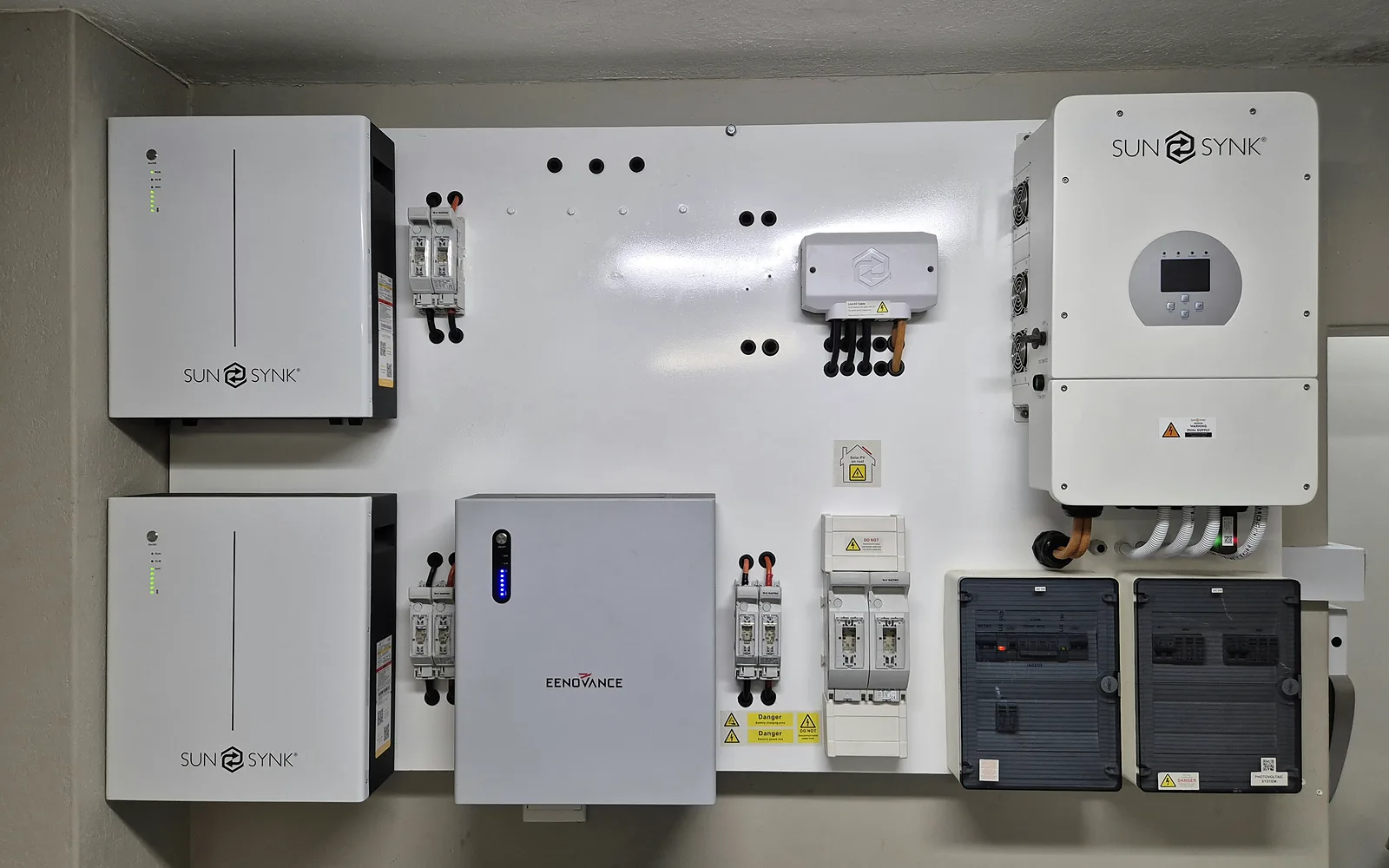
Author
SolarGabay Editorial Team — independent consumer-focused writers who translate technical sources into practical homeowner guidance.
Technical review
Reviewed against the published methodology, source hierarchy, and stated limitations. This is educational guidance, not site-specific engineering.
Update history
Last reviewed July 20, 2026. Corrections are logged through the public corrections process and material changes update this date.
View correction policyPractical answer
What you should know first
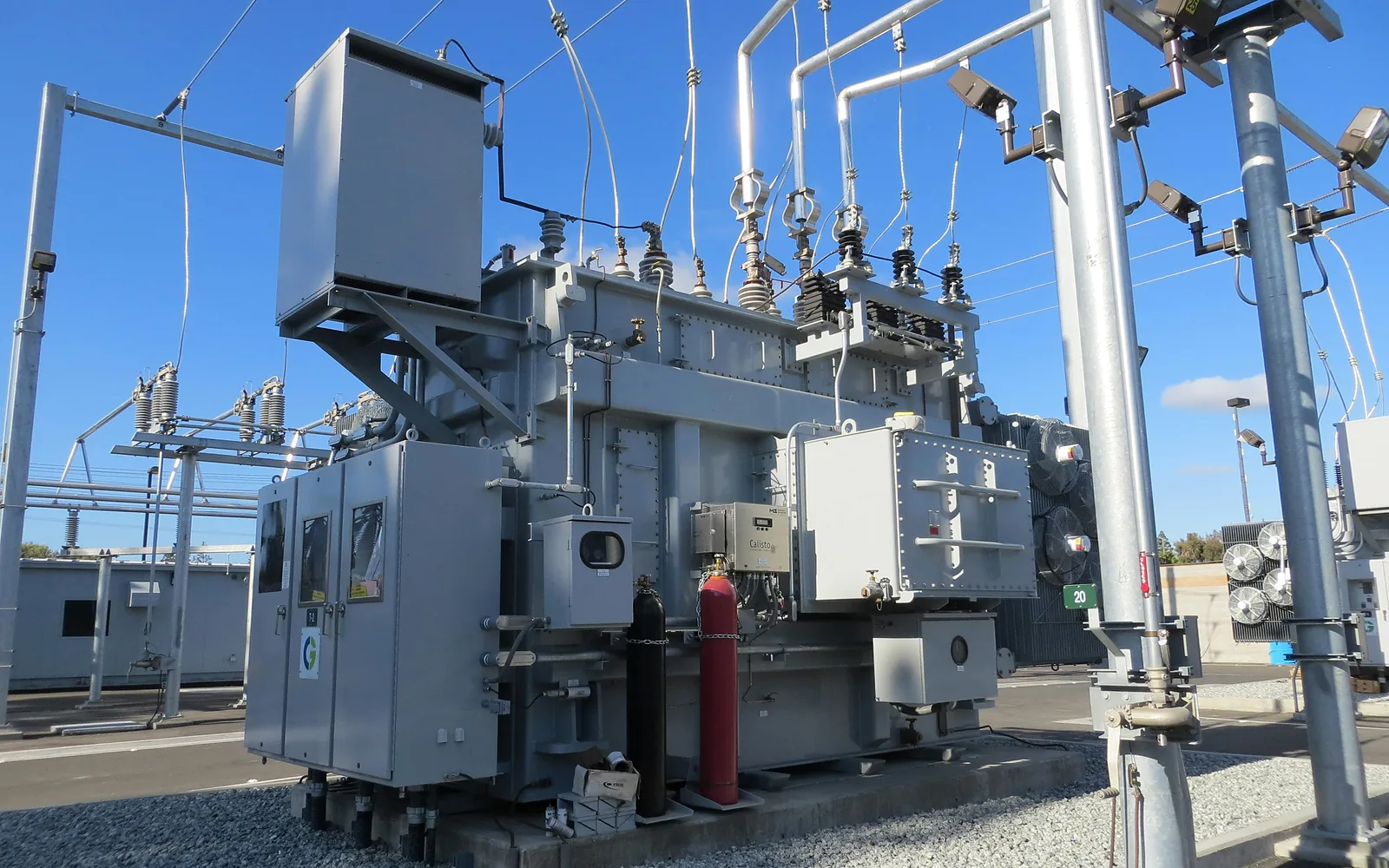
The inverter is the operating brain of most solar systems. It converts DC power to usable AC power, manages production, and in some systems handles battery charging and backup output. Good sizing balances performance, efficiency, budget, and future expansion without overcomplicating the design.
The inverter has to satisfy voltage, current, power, grid, and backup requirements at the same time.
Decision map
Match both sides of the inverter
DC input
String voltage, current, array size, temperature, and MPPT ranges.
AC output
Continuous output, grid connection, clipping, and household demand.
Backup mode
Selected-load power, motor surge, battery compatibility, and transfer behavior.
The variables that matter
A modestly oversized panel array can be normal, but too much oversizing creates avoidable clipping.
Backup-ready inverters must also match the power and surge needs of the circuits you want to support.
Compatibility with batteries, optimizers, and monitoring platforms should be checked early.
Warranty support and service availability matter because inverter failure can stop most of the system.
DC array size and AC output are related but not identical
It is common for the DC rating of the panels to exceed the inverter’s AC output rating. A moderate DC-to-AC ratio can improve inverter utilization, but an aggressive ratio increases clipping and may violate current or voltage limits if the string design is poor.
The correct ratio depends on climate, orientation, inverter limits, and the owner’s production goals. A single universal ratio is not a substitute for a string and loss calculation.
Check maximum DC voltage at the coldest expected condition.
Check input current and MPPT limits for every string.
Ask how much annual clipping the design model predicts.
Backup systems add another sizing layer
For hybrid inverters, the AC rating must also be compared with the continuous and surge demand of the backup loads. A system can have adequate annual solar generation yet still trip during a motor start if surge power is undersized.
Inverter serviceability matters because most of the array depends on it. Monitoring access, warranty support, local replacement stock, and installer familiarity can be more important than a small efficiency difference on the datasheet.
List motor and compressor starting loads.
Confirm battery compatibility and supported operating modes.
Ask who can diagnose and replace the inverter locally.
Worked example
More panel watts do not always require the same inverter watts
A slightly larger DC array can improve morning and late-afternoon production, but the design must stay inside voltage and current limits. Oversizing without checking those limits can create clipping or unsafe operation.
Ask for the design limits, not only the inverter brand and kW label.
Decision rule
Approve the inverter only when the proposal explains DC/AC ratio, voltage-current limits, clipping, backup output, and expansion constraints.
Practical checklist
Ask for the expected DC-to-AC ratio and whether the proposal expects routine clipping.
Confirm max input voltage, current limits, and compatibility with the selected panel layout.
If backup matters, compare continuous power and surge power—not just brand reputation.
Request a plain-language explanation of why that inverter size was chosen.
Evidence, scope and limitations
Inverter selection is not just a brand preference. It should match production goals, electrical limits, and any backup requirement.
International references are used for engineering and consumer principles. Philippine utility procedures, tariffs, permits and legal requirements must be confirmed using current local rules.
Research record
Sources and further reading
- [1]Solar Integration: Inverters and Grid Services BasicsU.S. Department of Energy
- [2]Solar Photovoltaic System Design BasicsU.S. Department of Energy
- [3]PVWatts Calculator and Technical ReferenceNational Renewable Energy Laboratory
Source transparency
Each guide now identifies the publications used for its technical and consumer guidance.
Commercial separation
Installer inclusion, sponsorship, or advertising cannot change editorial conclusions.
Correction and source policy