How many panels a Philippine home needs
Translate electricity use, target savings, and roof limits into a practical panel-count estimate.
Part of the: Solar system sizing for Philippine properties
Author
SolarGabay Editorial Team — independent consumer-focused writers who translate technical sources into practical homeowner guidance.
Technical review
Reviewed against the published methodology, source hierarchy, and stated limitations. This is educational guidance, not site-specific engineering.
Update history
Last reviewed July 20, 2026. Corrections are logged through the public corrections process and material changes update this date.
View correction policyPractical answer
What you should know first
The right panel count starts with electricity use, not guesswork. You need to know how much energy you consume, how much of that you want solar to offset, and whether your roof can support the resulting system size. Panel count also depends on panel wattage, shading, usable roof space, and inverter design.
Panel count is the last step of sizing, not the first.
Decision map
From bill history to panel count
Measure demand
Use 6–12 months of kWh, not one unusually hot or cool month.
Choose an offset
Decide how much annual use or daytime use solar should cover.
Fit the roof
Convert required kW into actual panel dimensions and a roof layout.
The variables that matter
Monthly kWh matters more than your peso bill alone because tariffs change and bills include fixed charges.
Target offset matters. Many homes do not need to eliminate the entire bill to get a useful result.
Panel wattage changes the count, but it does not remove layout constraints or shade losses.
Usable roof area is smaller than raw roof area after setbacks, ridges, obstructions, and service access are considered.
Start with energy, then convert to hardware
A household should begin with several months of kWh consumption and a realistic target offset. Peso bills alone are imperfect because rates and pass-through charges change; kWh is the cleaner measure of how much electricity the home actually used.
Production models such as PVWatts use location, array orientation, tilt, system losses, and weather data. The result is an estimate, not a promise, but it is much stronger than dividing the monthly bill by a salesperson’s rule of thumb.
Use 6–12 months of kWh data when available.
Decide whether the goal is partial savings, maximum daytime self-use, or near-total annual offset.
Translate required kW into panel count only after choosing a realistic module wattage.
A roof can limit a system before electricity use does
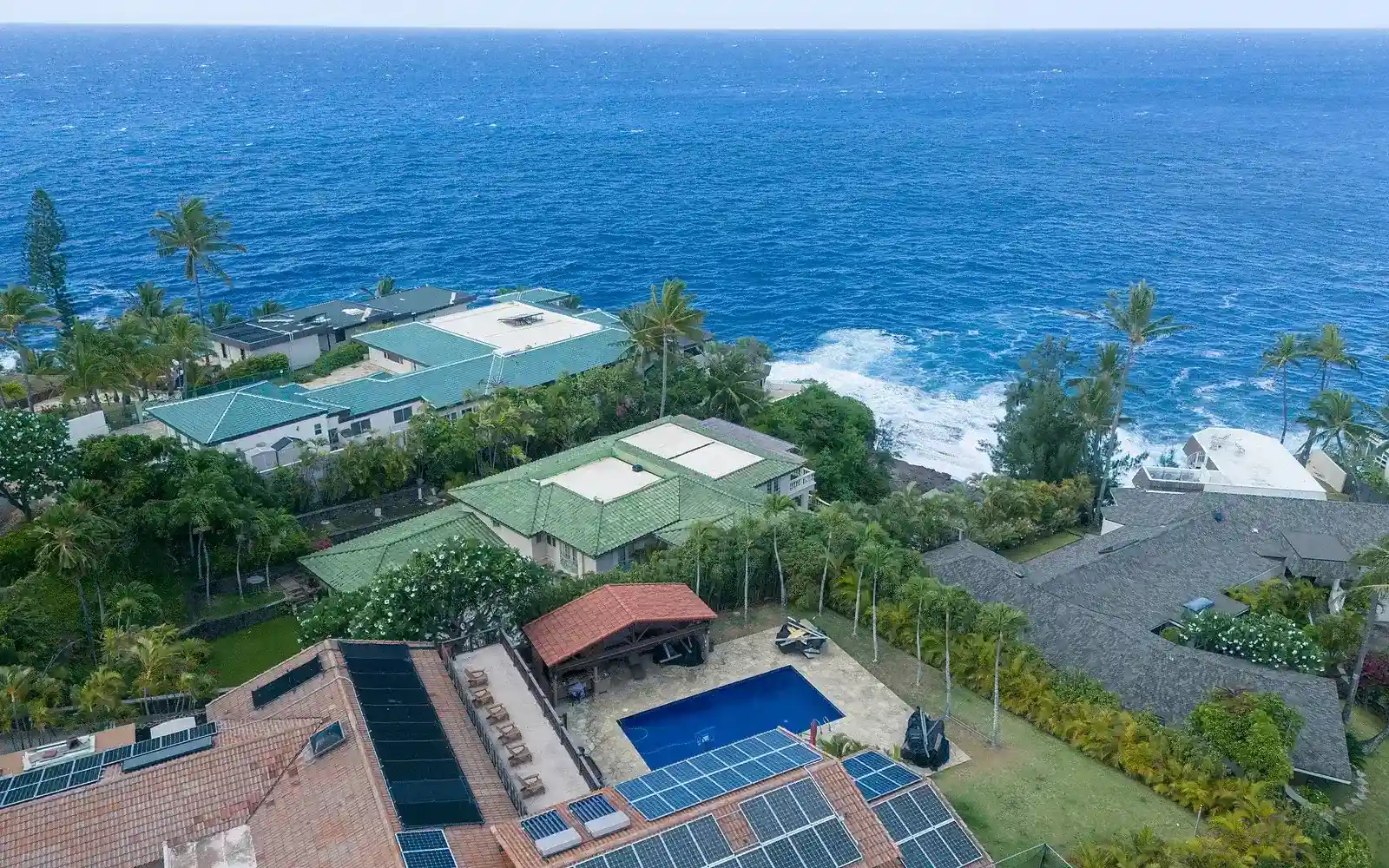
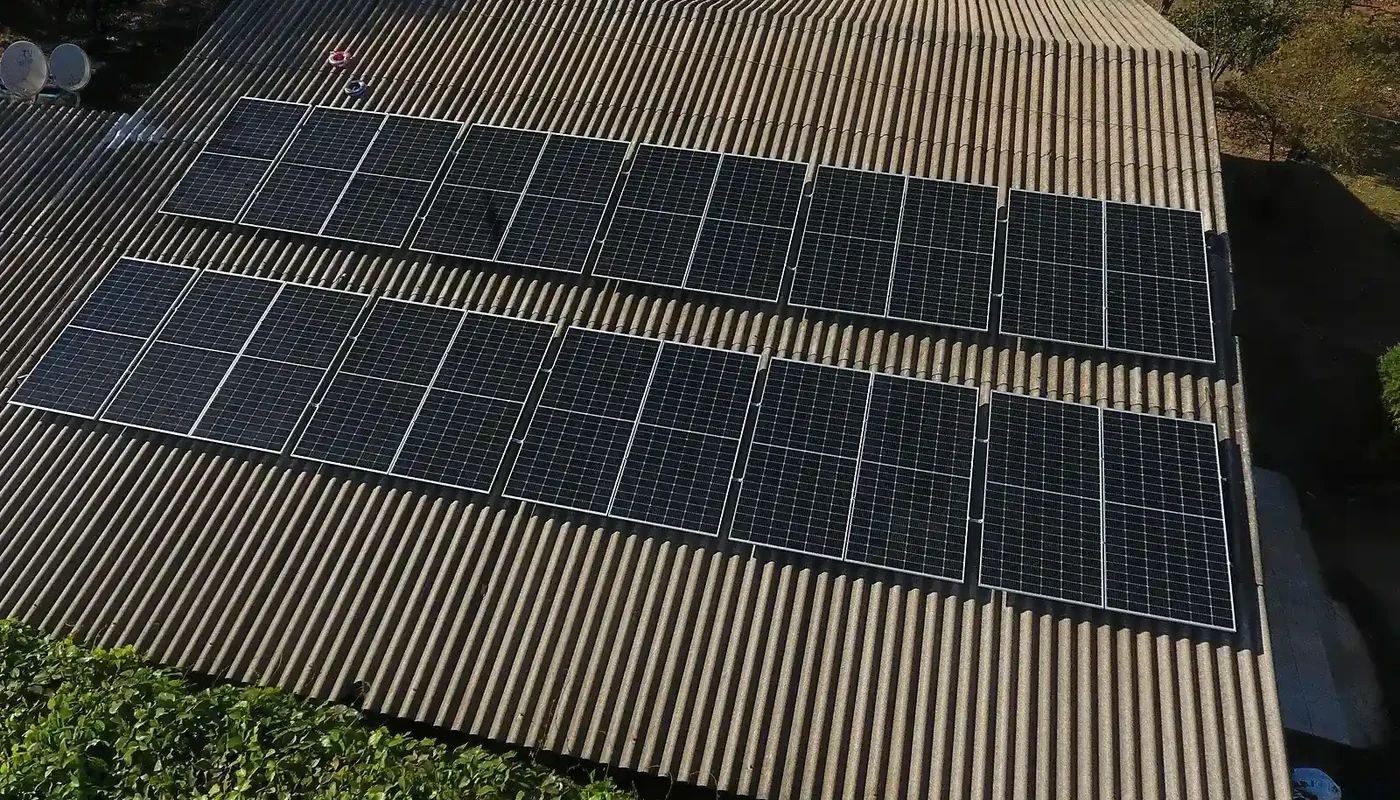
Ridges, gutters, access paths, obstructions, and shaded zones reduce usable roof area. High-wattage panels can reduce the number of modules, but they do not remove structural, safety, or maintenance constraints.
A final proposal should include a roof layout and an explanation of estimated shade losses. If the layout is absent, the panel count is still provisional.
Check panel dimensions, not only wattage.
Leave room for safe access and future roof work.
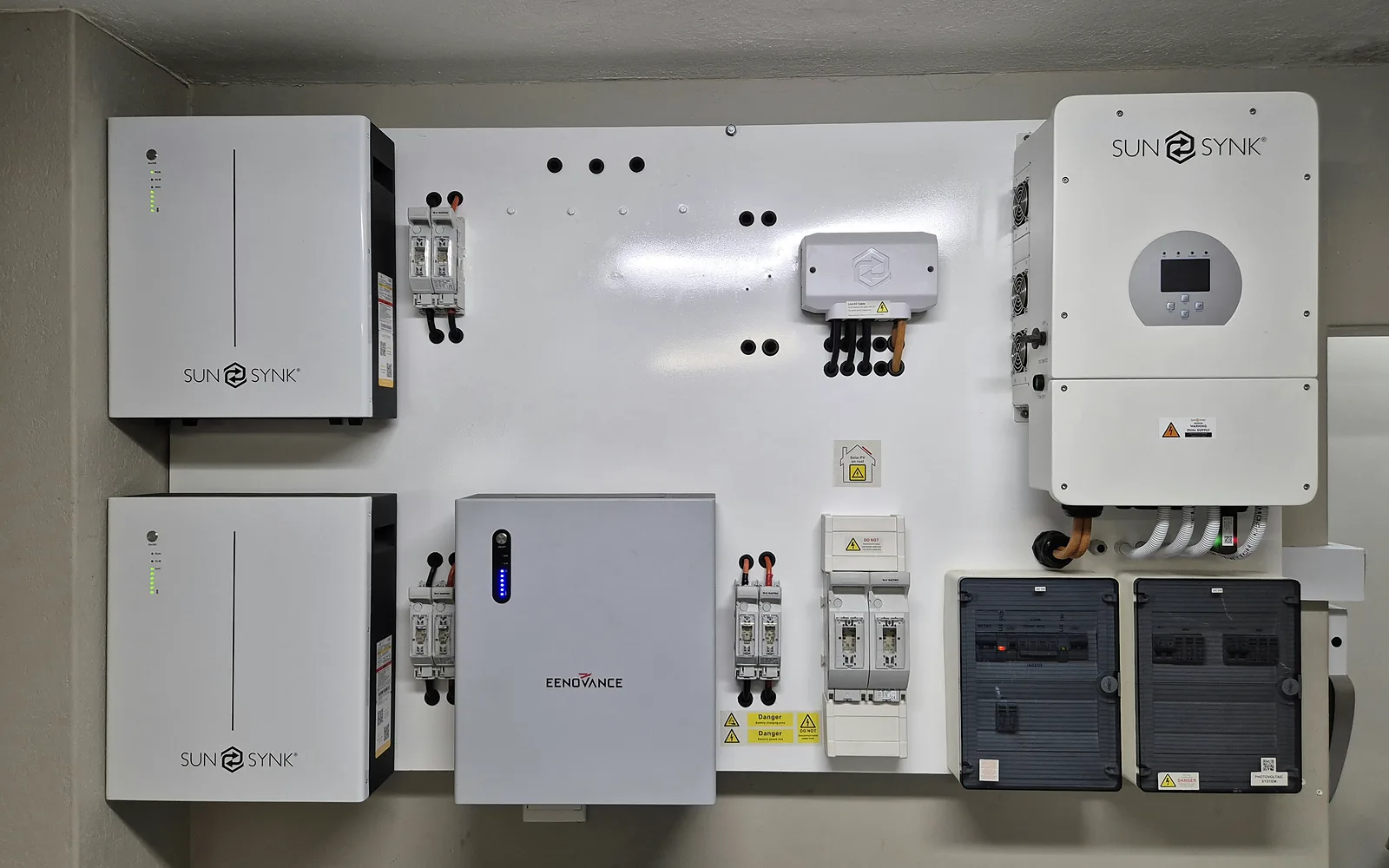
Ask whether the quoted inverter can accept the proposed DC array without exceeding voltage or current limits.
Worked example
Why a panel-count shortcut can miss
Two homes can both use 450 kWh a month, yet one has heavy daytime use and an open roof while the other uses most electricity at night and has a shaded roof. The same panel count will not produce the same value.
Sizing is an energy-and-roof problem, not a bill-to-panel conversion.
Decision rule
Accept a final panel count only when it is supported by bill history, a production estimate, and a roof layout.
Practical checklist
Collect at least six to twelve months of electric bills and compute average kWh use.
Decide whether you want partial savings, maximum daytime savings, or the highest practical offset.
Measure usable roof space instead of assuming the whole roof is available.
Request a site-specific layout before paying a reservation fee.
Evidence, scope and limitations
Planning calculators can estimate panel count, but final system size should always be confirmed with a roof layout, shade review, and electrical design.
International references are used for engineering and consumer principles. Philippine utility procedures, tariffs, permits and legal requirements must be confirmed using current local rules.
Research record
Sources and further reading
- [1]PVWatts Calculator and Technical ReferenceNational Renewable Energy Laboratory
- [2]Homeowner’s Guide to SolarU.S. Department of Energy
- [3]Solar Photovoltaic System Design BasicsU.S. Department of Energy
Source transparency
Each guide now identifies the publications used for its technical and consumer guidance.
Commercial separation
Installer inclusion, sponsorship, or advertising cannot change editorial conclusions.
Correction and source policy