Solar panel cost in the Philippines
Understand what really changes the price of a residential solar proposal, and how to compare quotations fairly.
Part of the: Solar cost and savings in the Philippines
Author
SolarGabay Editorial Team — independent consumer-focused writers who translate technical sources into practical homeowner guidance.
Technical review
Reviewed against the published methodology, source hierarchy, and stated limitations. This is educational guidance, not site-specific engineering.
Update history
Last reviewed July 20, 2026. Corrections are logged through the public corrections process and material changes update this date.
View correction policyPractical answer
What you should know first
Solar prices in the Philippines can vary widely because the quote is not just buying panels. You are paying for system size, equipment quality, roof work, electrical protection, permits, labor, warranty handling, and after-sales support. The cheapest quote can be the most expensive mistake if scope is weak or assumptions are unrealistic.
A solar quote is a construction and electrical scope, not a price-per-panel shopping exercise.
Decision map
Read a quote in three layers
Hardware
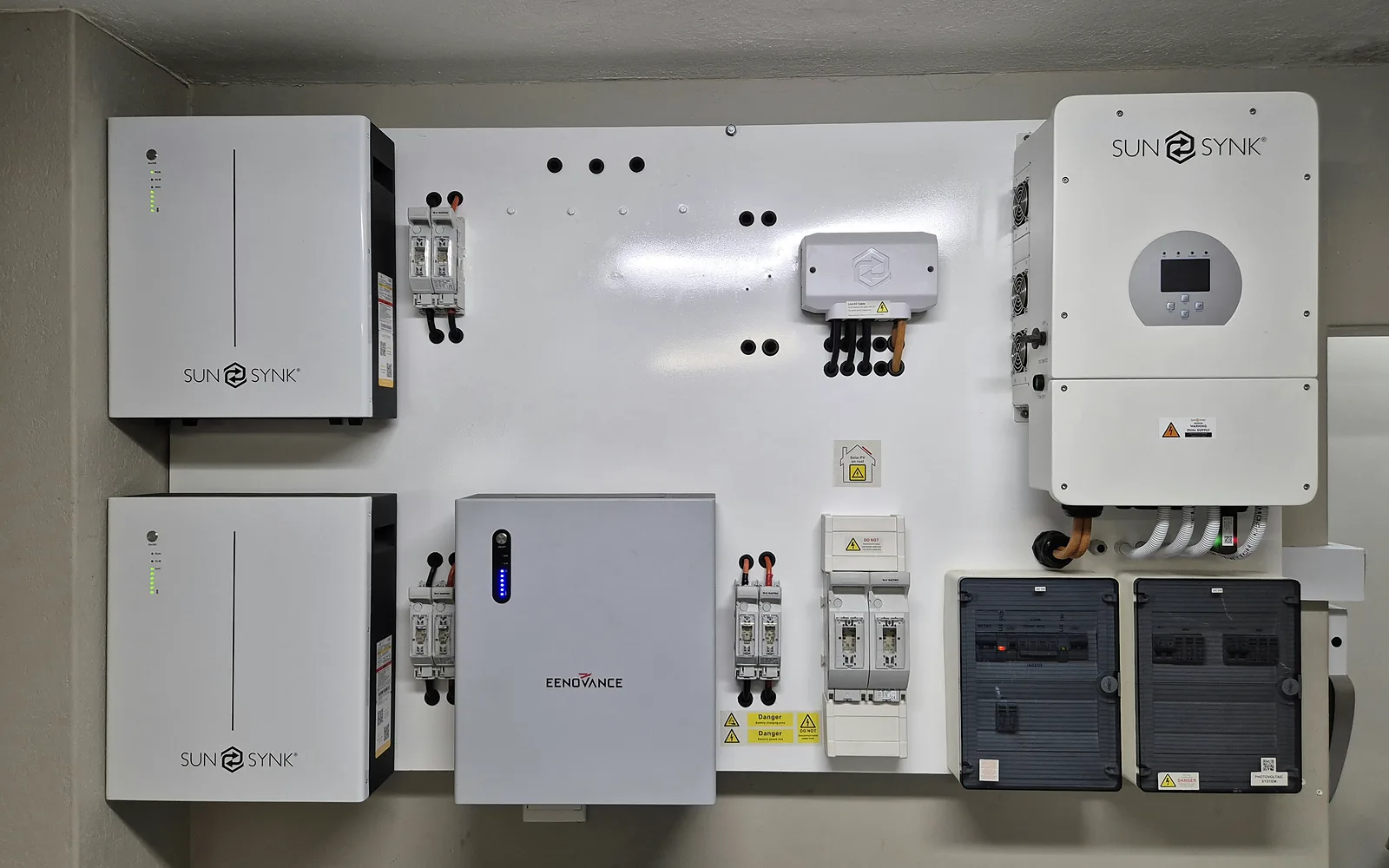
Exact panel, inverter, battery, mounting, and protection models.
Site work
Roof preparation, cable routes, electrical upgrades, permits, and testing.
Long-term support
Monitoring, warranty labor, response time, and replacement responsibility.
The variables that matter
System type matters. Grid-tied, hybrid, and off-grid packages use different equipment and deliver different levels of backup capability.
Equipment quality changes long-term cost. Panels, inverters, batteries, mounting hardware, and protection devices do not age or perform the same way.
Site conditions affect labor. Roof height, obstructions, cable run distance, and structural reinforcement can meaningfully change installed cost.
Quotation structure matters. Some proposals hide permit work, monitoring, taxes, roof sealing, or utility application costs in exclusions.
Why two 5 kW quotes can be far apart
System size is only the starting point. Roof access, mounting method, cable routes, switchgear, monitoring, permitting, engineering, and warranty administration can all change the installed price without changing the headline kilowatt rating.
International cost reports are useful for following broad equipment trends, but they do not establish a Philippine retail price. A homeowner should separate module and inverter cost from local labor, roof work, utility requirements, financing, and after-sales support.

Ask both bidders to quote the same system architecture and backup capability.
Check whether VAT, permits, net-metering work, monitoring, and roof waterproofing are included.
Compare expected annual generation, not only installed watts.
Use the lowest quote as a question, not an answer
The FTC and energy agencies repeatedly advise consumers to slow down when sales pressure is high or scope is vague. A low quote may be efficient, but it may also omit protection equipment, site work, documentation, or labor after a warranty claim.
The useful comparison is total ownership cost: what is paid now, what is likely to be replaced, and who remains responsible if production is lower than promised.
Request exact model numbers and written warranty responsibilities.
Keep cash price and financed price on separate lines.
Reject savings guarantees that are not tied to your bill and a documented production model.
Worked example
A cheaper 5 kW quote may not be equivalent
Quote A includes the electrical protection board, roof sealing, utility paperwork, monitoring setup, and commissioning. Quote B lists only panels, an inverter, and installation. The headline system size is identical, but the delivered project is not.
Compare complete scope first; compare price second.
Decision rule
Do not rank quotations until every major inclusion, exclusion, and warranty responsibility is written down.
Practical checklist
Ask for the exact equipment models, warranty terms, and what labor is included.
Compare production estimates using the same assumptions before comparing payback.
Separate base system cost from batteries, financing, permit fees, and optional upgrades.
Reject quotes that feel cheap only because major items are missing or vague.
Evidence, scope and limitations
Treat any online price range as a planning reference, not a promise. Final pricing must be tied to your roof, electrical setup, usage pattern, and verified installation scope.
International references are used for engineering and consumer principles. Philippine utility procedures, tariffs, permits and legal requirements must be confirmed using current local rules.
Research record
Sources and further reading
- [1]Renewable Power Generation Costs in 2025International Renewable Energy Agency
- [2]Homeowner’s Guide to SolarU.S. Department of Energy
- [3]Solar Power for Your HomeU.S. Federal Trade Commission
Source transparency
Each guide now identifies the publications used for its technical and consumer guidance.
Commercial separation
Installer inclusion, sponsorship, or advertising cannot change editorial conclusions.
Correction and source policy