Does solar work during brownouts?
Learn why many solar systems shut down during outages and what is required for backup power.
Part of the: Solar battery and brownout planning
Author
SolarGabay Editorial Team — independent consumer-focused writers who translate technical sources into practical homeowner guidance.
Technical review
Reviewed against the published methodology, source hierarchy, and stated limitations. This is educational guidance, not site-specific engineering.
Update history
Last reviewed July 20, 2026. Corrections are logged through the public corrections process and material changes update this date.
View correction policyPractical answer
What you should know first
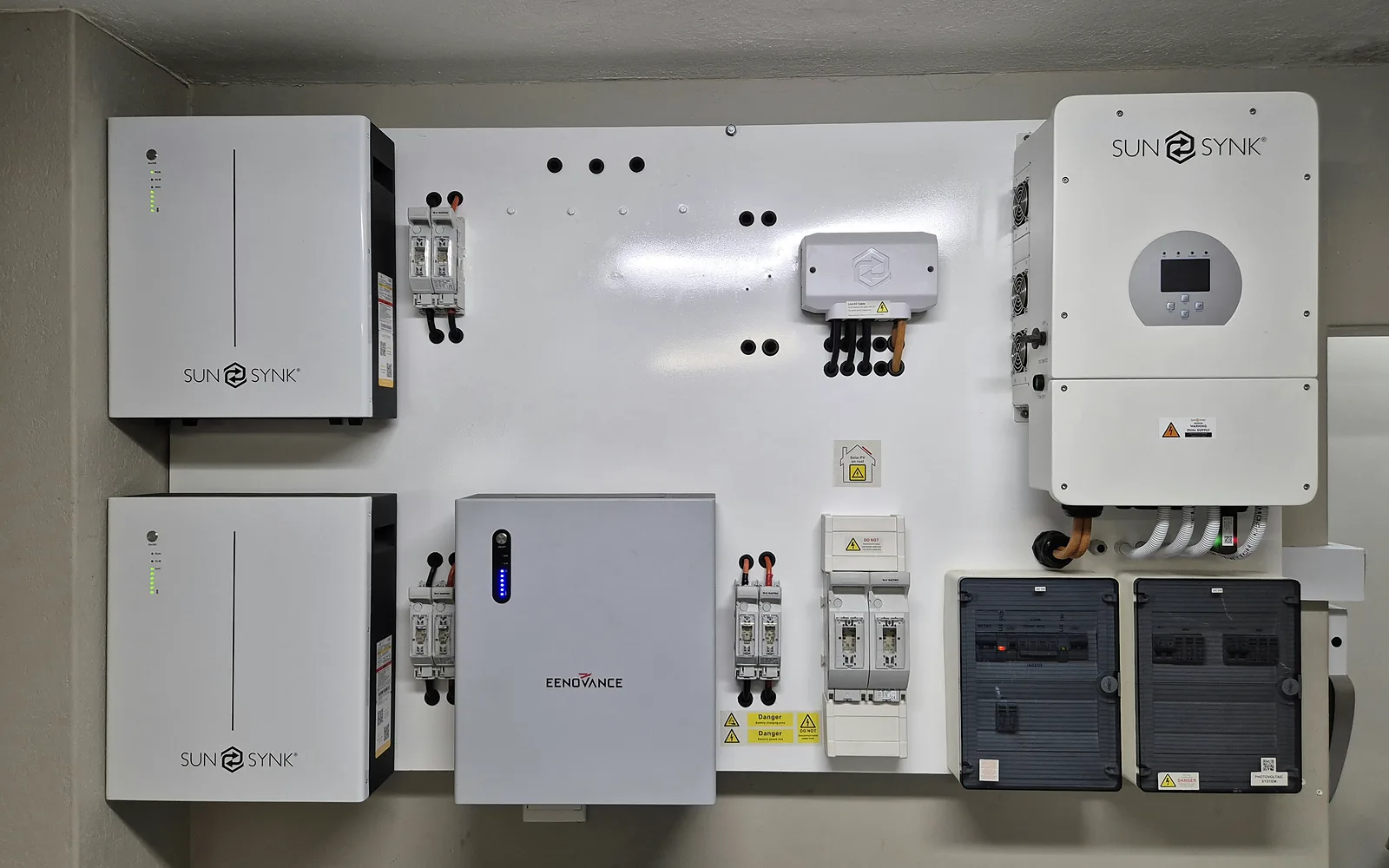
Solar does not automatically mean your house stays on during a brownout. Standard grid-tied inverters disconnect when the grid fails. Backup requires hardware that can isolate from the utility, energize selected circuits safely, and often store enough energy for the loads you want to run.
Solar panels alone do not keep a house powered during a blackout.
Decision map
What happens when the grid drops
Detect outage
The system confirms the utility grid is unavailable.
Isolate safely
Protection prevents power from feeding utility lines.
Power selected loads
Battery, solar, and inverter limits determine runtime.
The variables that matter
Anti-islanding protection is required, so normal grid-tied systems stop producing during outages.
Backup output is limited by inverter power, surge capability, battery size, and which loads are on the backup panel.
Large motors and air-conditioners can quickly overwhelm a small backup setup.
Some hybrid systems can use daytime solar during outages, but only within the limits of the battery and inverter.
Why normal rooftop solar switches off
Grid-connected inverters are designed to stop exporting power when the utility grid fails. This anti-islanding behavior protects utility workers and prevents an uncontrolled local power source from energizing lines that are expected to be dead.
Backup operation needs equipment that can form a stable local grid, disconnect safely from the utility, and balance changing solar output against household loads.
Confirm that the inverter has an approved backup or islanding mode.
Identify the dedicated backup circuits in the electrical plan.
Do not assume daytime sunlight bypasses battery and inverter limits.
Runtime is a load-management problem
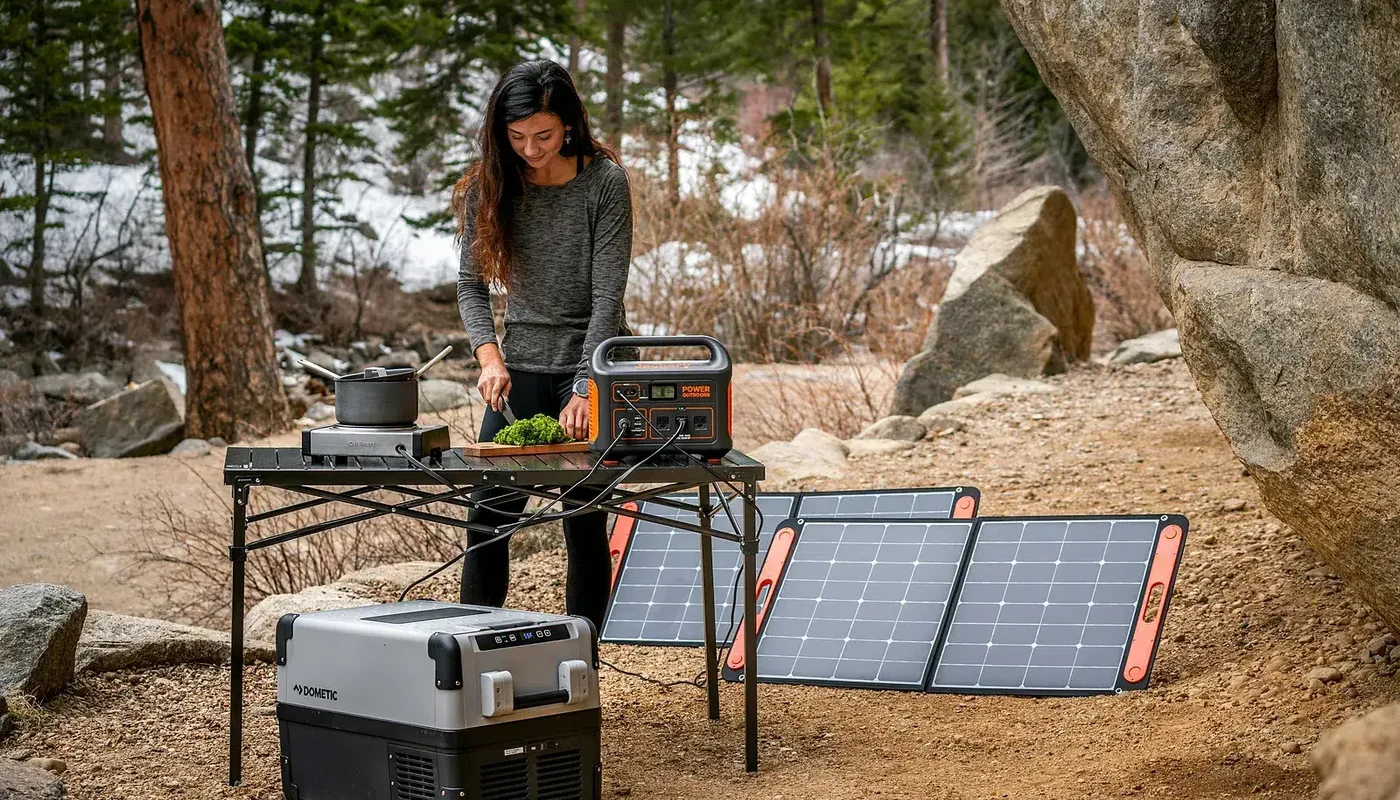
A battery may run lights, internet, fans, and a refrigerator for hours, yet struggle with large air-conditioners, pumps, or simultaneous motor starts. The same battery can feel generous or inadequate depending on which circuits are allowed to operate.
The best design process records running watts, surge watts, and expected operating hours for each critical load, then tests the completed system under a simulated outage.
Prioritize refrigeration, communications, lighting, and medical or business-critical equipment.
Use surge ratings for motors and compressors.
Require an actual outage test at commissioning.
Worked example
A refrigerator and a large air-conditioner are very different backup loads
A modest battery may comfortably support lights, internet, fans, and refrigeration, yet trip or drain quickly when a large compressor starts. Runtime estimates must include both running power and starting surge.
Backup performance is defined by the load list, not by the word “hybrid” on the proposal.
Decision rule
Require a written backup-circuit list and an actual outage test before accepting the system.
Practical checklist
Identify critical loads first: lights, refrigeration, internet, fans, select outlets, and perhaps one room air-conditioner.
Ask whether the proposed inverter has dedicated backup output and islanding protection.
Confirm which circuits will be rewired to backup and which will stay off during an outage.
Request a real commissioning test before accepting the installation.
Evidence, scope and limitations
Backup capability is an engineering and safety question, not just a marketing label. Always confirm actual supported behavior during an outage.
International references are used for engineering and consumer principles. Philippine utility procedures, tariffs, permits and legal requirements must be confirmed using current local rules.
Research record
Sources and further reading
- [1]Solar and Resilience BasicsU.S. Department of Energy
- [2]Solar Integration: Solar Energy and Storage BasicsU.S. Department of Energy
- [3]Solar Plus Storage: Critical-Load Planning LessonsU.S. Department of Energy FEMP
Source transparency
Each guide now identifies the publications used for its technical and consumer guidance.
Commercial separation
Installer inclusion, sponsorship, or advertising cannot change editorial conclusions.
Correction and source policy