High-consumption appliances
Identify which household appliances are most likely driving your electricity cost.
Part of the: Understand household electricity use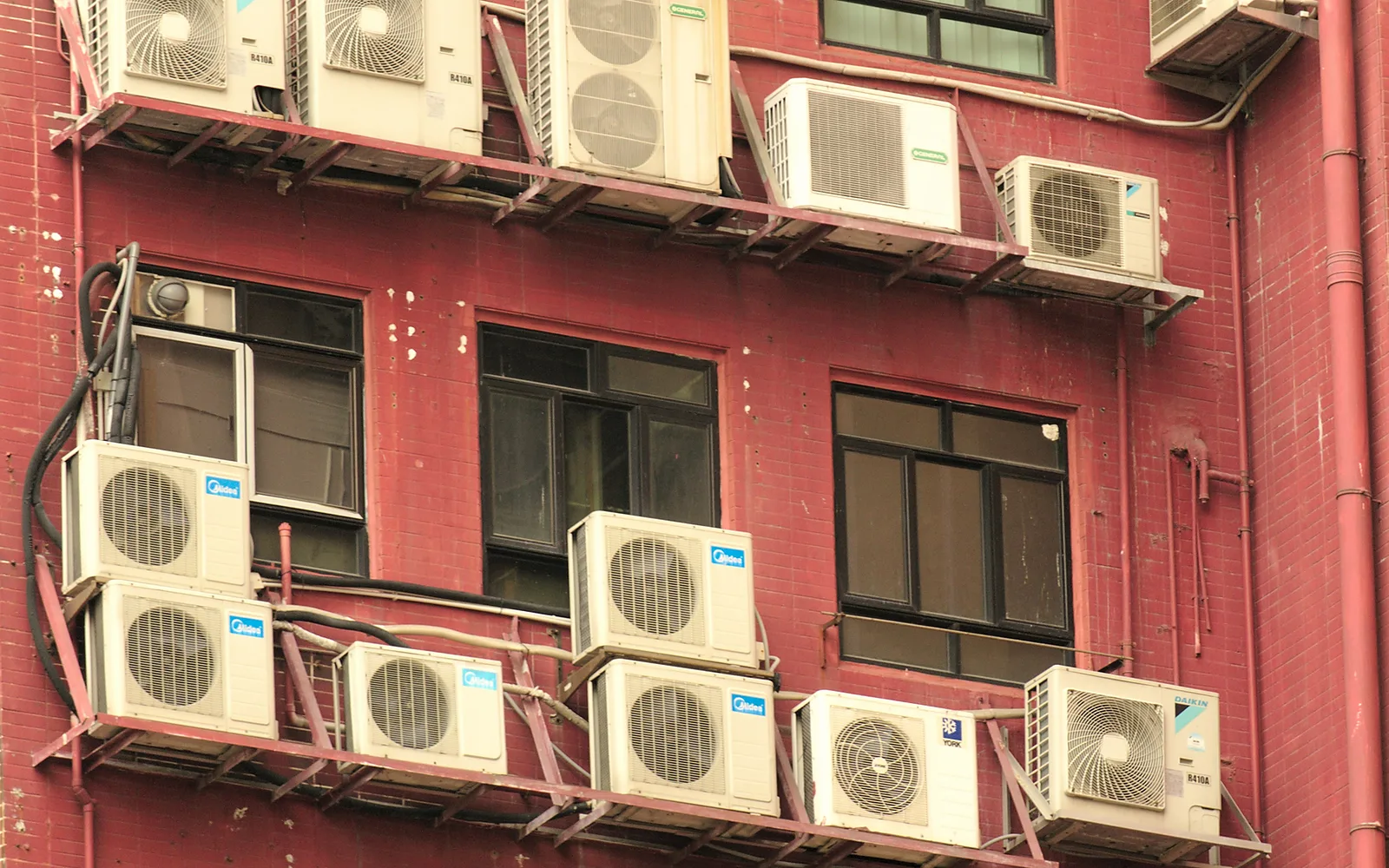
Author
SolarGabay Editorial Team — independent consumer-focused writers who translate technical sources into practical homeowner guidance.
Technical review
Reviewed against the published methodology, source hierarchy, and stated limitations. This is educational guidance, not site-specific engineering.
Update history
Last reviewed July 20, 2026. Corrections are logged through the public corrections process and material changes update this date.
View correction policyPractical answer
What you should know first
Not all appliances deserve equal attention. The biggest contributors to power cost are usually the devices that combine meaningful wattage with many hours of use. Understanding this helps you decide whether efficiency upgrades, habit changes, or solar will deliver the best return.
The loads that matter combine power draw with long operating hours.
Decision map
Find the loads that matter
High power
Heating, cooling, pumping, and cooking often use many watts.
Long runtime
Refrigeration, air-conditioning, and business equipment can run for hours.
Frequent cycling
Thermostats and pumps can switch repeatedly even when no one notices.
The variables that matter
Air-conditioners often dominate bills because they run for long hours and respond to weather, thermostat settings, and insulation quality.
Refrigerators, pumps, water heaters, and cooking equipment can be significant depending on usage patterns.
A high-wattage appliance used rarely may matter less than a moderate-load appliance used every day.
Standby loads are real, but they are often smaller than people expect compared with cooling or heating loads.
Wattage alone can mislead
A high-wattage kettle used for a few minutes may consume less monthly energy than a moderate-load air-conditioner or refrigerator running for many hours. Energy is power multiplied by time, so usage patterns matter as much as the label wattage.
Energy surveys consistently identify cooling, heating, water heating, and refrigeration as major household uses. Philippine homes may differ from U.S. averages, but the method remains useful: estimate each major load in kWh and rank the results.
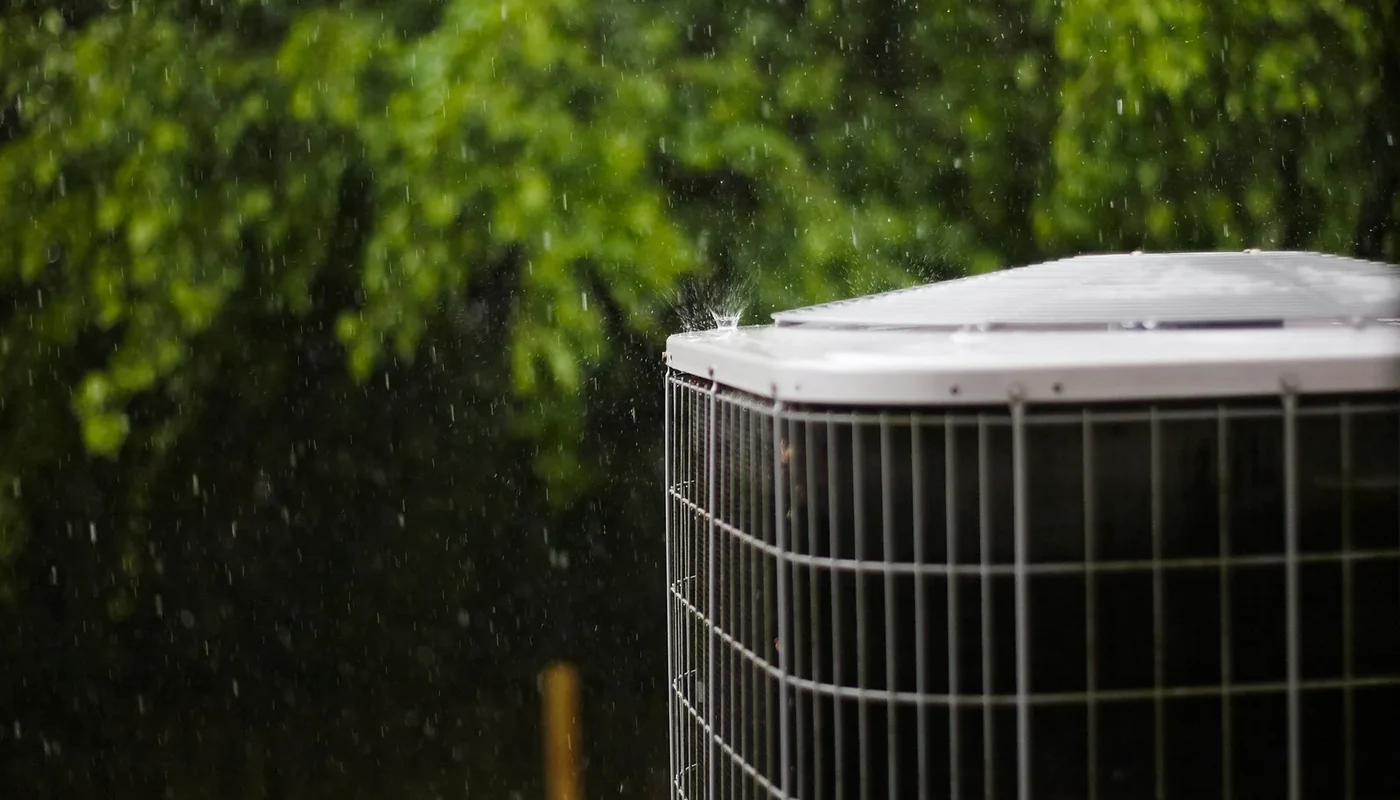
Start with air-conditioning, refrigeration, pumps, water heating, and cooking.
Use measured plug data where practical.
Account for duty cycle rather than assuming every appliance draws rated power continuously.
Efficiency upgrades can reduce the solar system you need
The Philippine Energy Labeling Program is intended to make product energy performance visible to buyers. Replacing an inefficient long-running appliance can reduce both the monthly bill and the amount of solar capacity required to offset it.
Efficiency and solar are complementary. The best sequence is often to eliminate obvious waste, document the new load, and then size the solar system for the remaining demand.
Compare energy labels for products with the same capacity.
Repair malfunctioning compressors, seals, pumps, and controls before sizing solar.
Do not replace working appliances solely on a vague promise of savings; compare annual kWh.
Worked example
A small device used all day can outrun a large device used briefly
A 2,000 W kettle used for ten minutes may consume less energy than a 200 W appliance running for twelve hours. Monthly cost depends on power multiplied by time.
Rank appliances by monthly kWh, not by wattage alone.
Decision rule
Measure or estimate the top five loads before deciding whether efficiency changes or solar should come first.
Practical checklist
List the major appliances in your home and estimate daily runtime honestly.
Start with cooling, refrigeration, pumping, and water heating if present.
Compare appliance efficiency improvements with solar as separate or complementary investments.
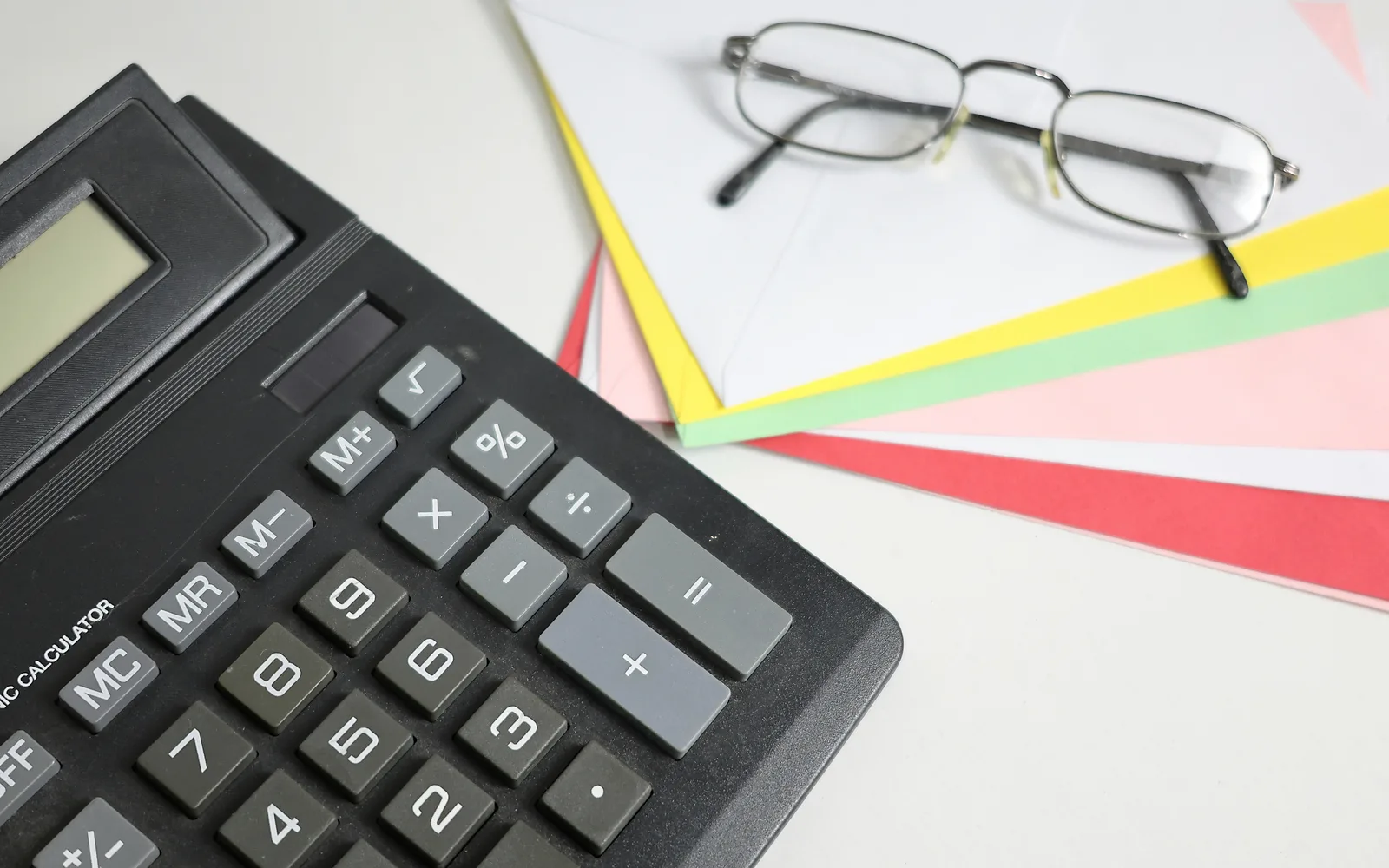
Use a calculator to estimate which loads are worth focusing on first.
Evidence, scope and limitations
Persuasion should not start with exaggerating “phantom loads.” Start with the real heavy users and the habits behind them.
International references are used for engineering and consumer principles. Philippine utility procedures, tariffs, permits and legal requirements must be confirmed using current local rules.
Research record
Sources and further reading
- [1]Electricity Use in HomesU.S. Energy Information Administration
- [2]Philippine Energy Labeling ProgramPhilippine Department of Energy
Source transparency
Each guide now identifies the publications used for its technical and consumer guidance.
Commercial separation
Installer inclusion, sponsorship, or advertising cannot change editorial conclusions.
Correction and source policy