Panel lifespan and degradation
Understand long-term output decline without believing unrealistic “forever” claims.
Author
SolarGabay Editorial Team — independent consumer-focused writers who translate technical sources into practical homeowner guidance.
Technical review
Reviewed against the published methodology, source hierarchy, and stated limitations. This is educational guidance, not site-specific engineering.
Update history
Last reviewed July 20, 2026. Corrections are logged through the public corrections process and material changes update this date.
View correction policyPractical answer
What you should know first
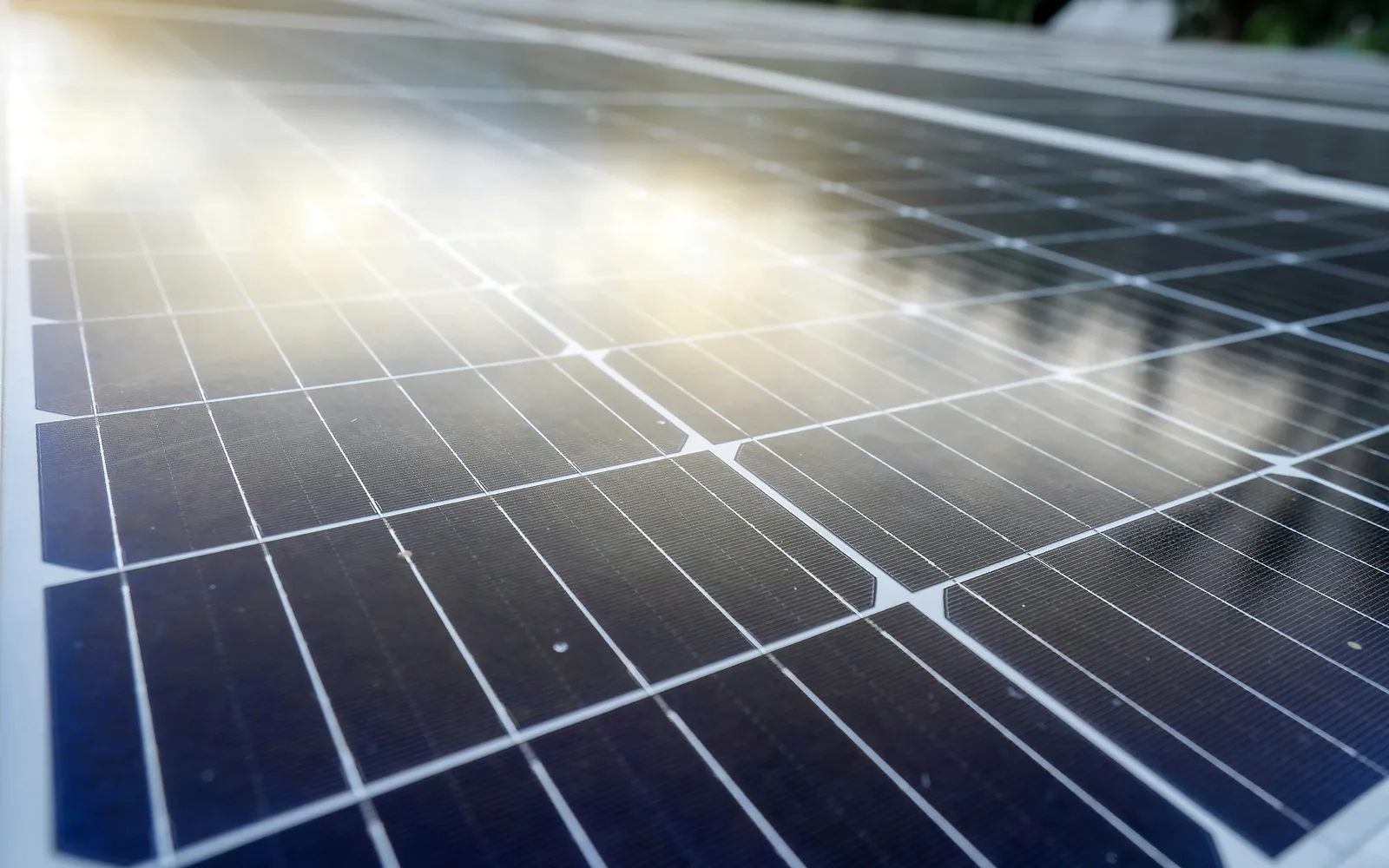
Solar panels gradually produce less energy as they age. The decline is usually slow, but it should still be acknowledged in planning. Panel lifespan also depends on manufacturing quality, climate stress, installation quality, and what the warranty really covers.
Panels usually decline gradually, but technology, climate, and manufacturing quality produce a wide range of outcomes.
Decision map
Separate aging from faults
Expected decline
A gradual long-term trend within the module warranty and model assumptions.
Operating variation
Weather, temperature, soiling, shading, and seasonal sunlight.
Abnormal loss
String faults, inverter problems, damaged modules, loose connections, or new shade.
The variables that matter
Degradation is gradual, so it affects long-term savings more than first-year output.
Performance warranties describe output retention but do not eliminate all failure risk.
Inverters often need attention before panels do.
Extreme heat, poor mounting, or installation damage can shorten useful life.
What long-term studies show
A widely cited NREL review found a median degradation rate near 0.5% per year across historical field studies. More recent NREL lifetime work shows that some modern module types perform better, while a minority degrade much faster. A single universal rate therefore hides real product variation.
Hot and humid conditions can increase certain failure modes, making installation quality, ventilation, drainage, and product suitability especially relevant in tropical climates.
Use the product’s warranted degradation curve in financial models.
Compare product warranty and performance warranty separately.
Allow for uncertainty rather than using a precise rate as a guarantee.
System life is not the same as panel life
The Department of Energy reports typical operational panel lifespans in the range of decades, but inverters, communication devices, batteries, roof materials, and protective equipment may need attention sooner.
A well-performing system is the result of the whole installation. Monitoring and maintenance are needed to distinguish normal module degradation from soiling, shading, faults, or equipment failure.
Investigate sudden production drops; normal degradation is gradual.
Plan around roof and inverter service life.
Keep baseline commissioning and annual production data.
Worked example
A sudden drop is not normal panel aging
If weather-adjusted output falls sharply from one month or year to the next, check for faults, shade, dirt, inverter alarms, or disconnected strings before blaming normal degradation.
Degradation is slow; abrupt loss deserves investigation.
Decision rule
Keep a weather-aware production baseline and investigate changes larger than the expected gradual trend.
Practical checklist
Use a modest annual degradation allowance in long-term estimates.
Read both product warranty and performance warranty coverage.
Do not confuse a 25-year warranty with a promise of zero maintenance or zero replacement cost.
Protect panels from avoidable installation damage from day one.
Evidence, scope and limitations
Good panels usually age predictably, but the rest of the system still determines whether the project performs well over time.
International references are used for engineering and consumer principles. Philippine utility procedures, tariffs, permits and legal requirements must be confirmed using current local rules.
Research record
Sources and further reading
- [1]Photovoltaic Degradation Rates — An Analytical ReviewNational Renewable Energy Laboratory
- [2]PV Lifetime Project — 2024 Annual ReportNational Renewable Energy Laboratory
- [3]End-of-Life Management for Solar PhotovoltaicsU.S. Department of Energy
Source transparency
Each guide now identifies the publications used for its technical and consumer guidance.
Commercial separation
Installer inclusion, sponsorship, or advertising cannot change editorial conclusions.
Correction and source policy