Roof orientation and shading
See how direction, obstructions, and shade timing affect practical solar output.
Part of the: Solar system sizing for Philippine properties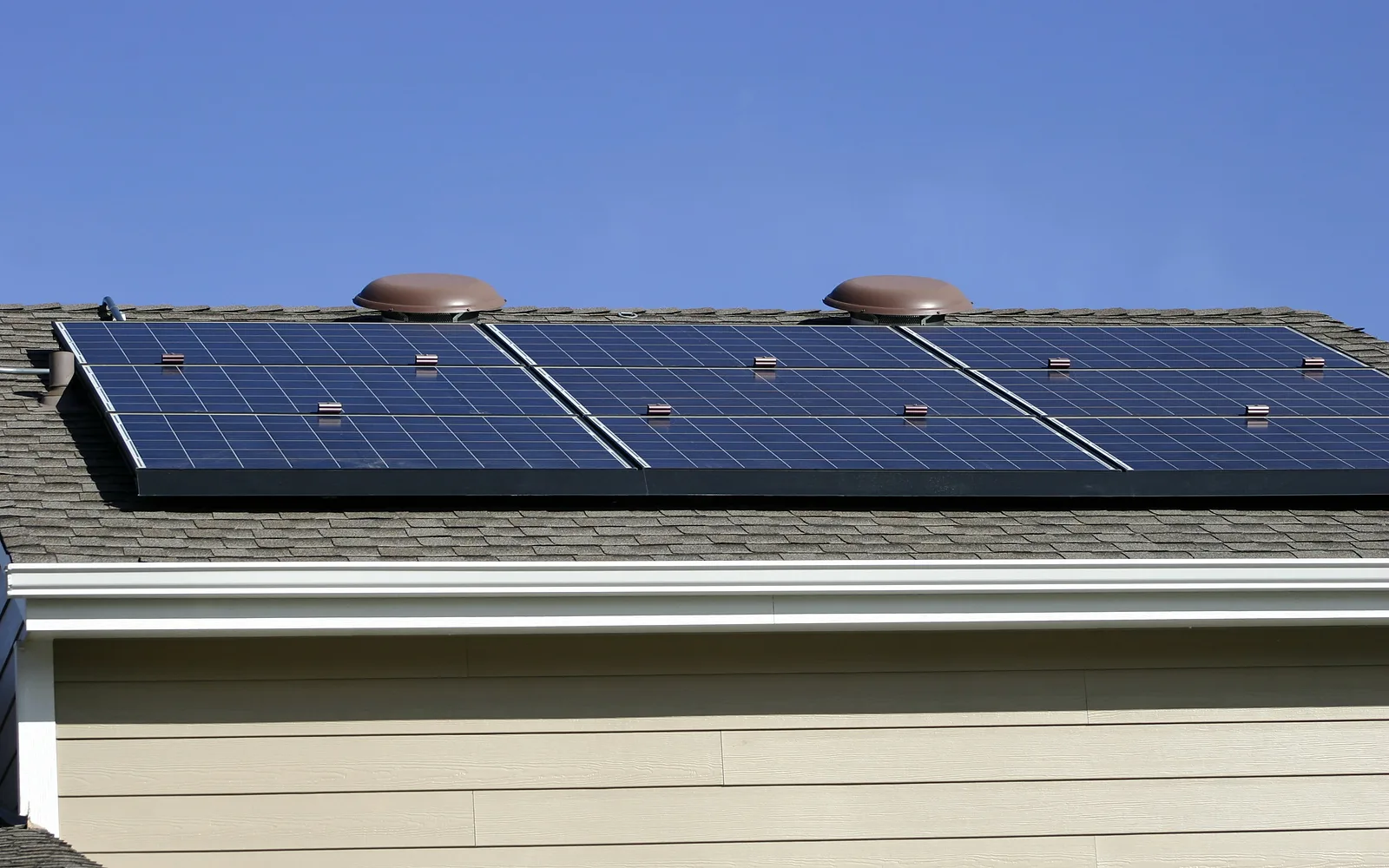
Author
SolarGabay Editorial Team — independent consumer-focused writers who translate technical sources into practical homeowner guidance.
Technical review
Reviewed against the published methodology, source hierarchy, and stated limitations. This is educational guidance, not site-specific engineering.
Update history
Last reviewed July 20, 2026. Corrections are logged through the public corrections process and material changes update this date.
View correction policyPractical answer
What you should know first
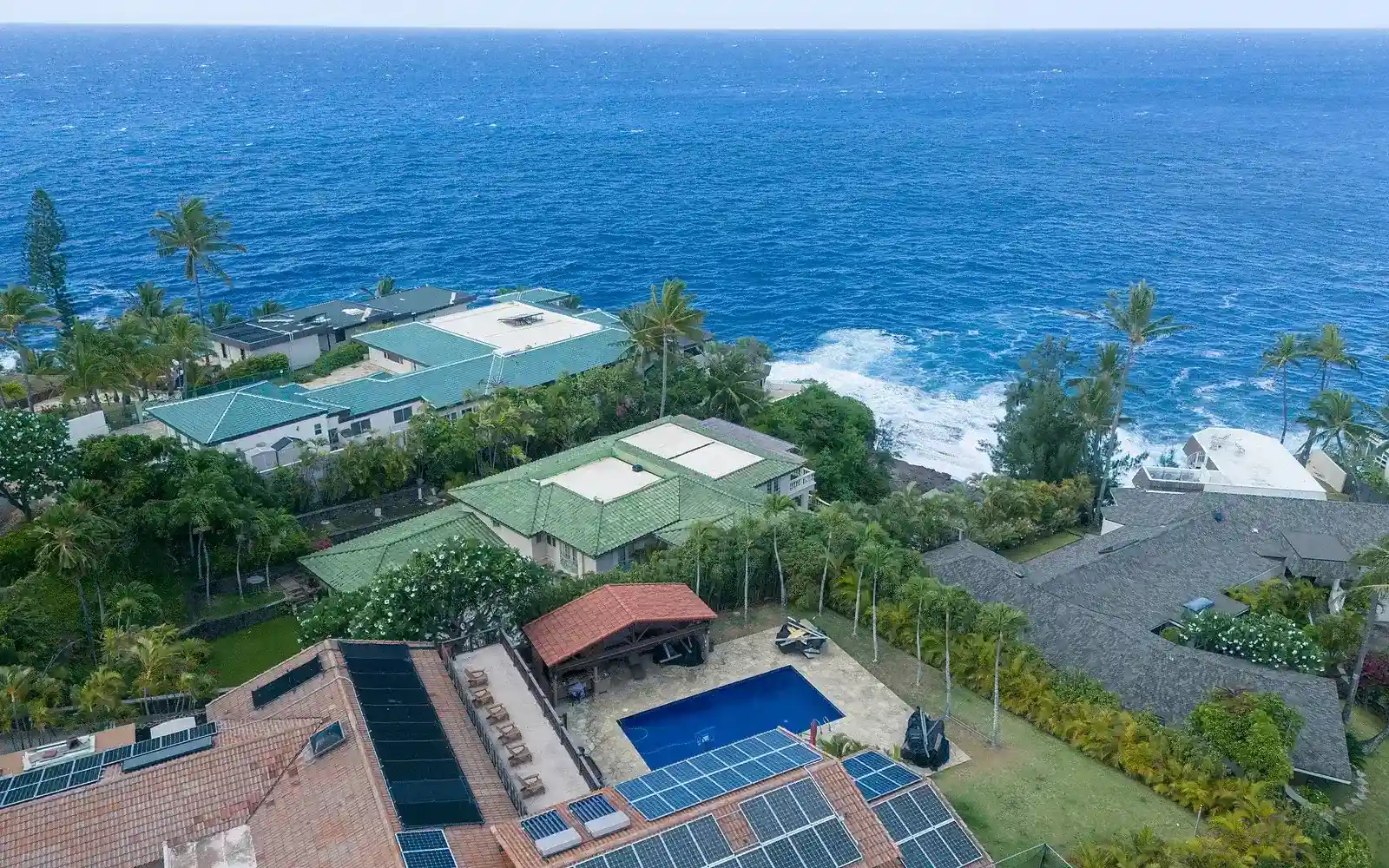
A good solar roof is not defined by direction alone. Orientation matters, but steady shading from nearby trees, buildings, tanks, or roof features can have a larger effect than many homeowners expect. What matters is the combination of usable area, shade pattern, and when your loads occur.
Orientation changes the production profile; shading can remove production entirely during affected periods.
Decision map
Evaluate sunlight across the day
Orientation
Determine when each roof plane receives useful sun.
Shade path
Map trees, buildings, tanks, ridges, and seasonal sun angles.
Electrical response
Choose strings, MPPT inputs, optimizers, or microinverters based on mismatch.
The variables that matter
Morning shade and afternoon shade affect output differently depending on system design and local conditions.
Even small obstructions can matter if they cast shade over multiple modules at key times.
Layout design, stringing, and electronics can reduce some shading losses but do not erase them.
The best roof plane for production may not be the easiest roof plane to build on.
Direction and tilt are inputs, not pass/fail rules
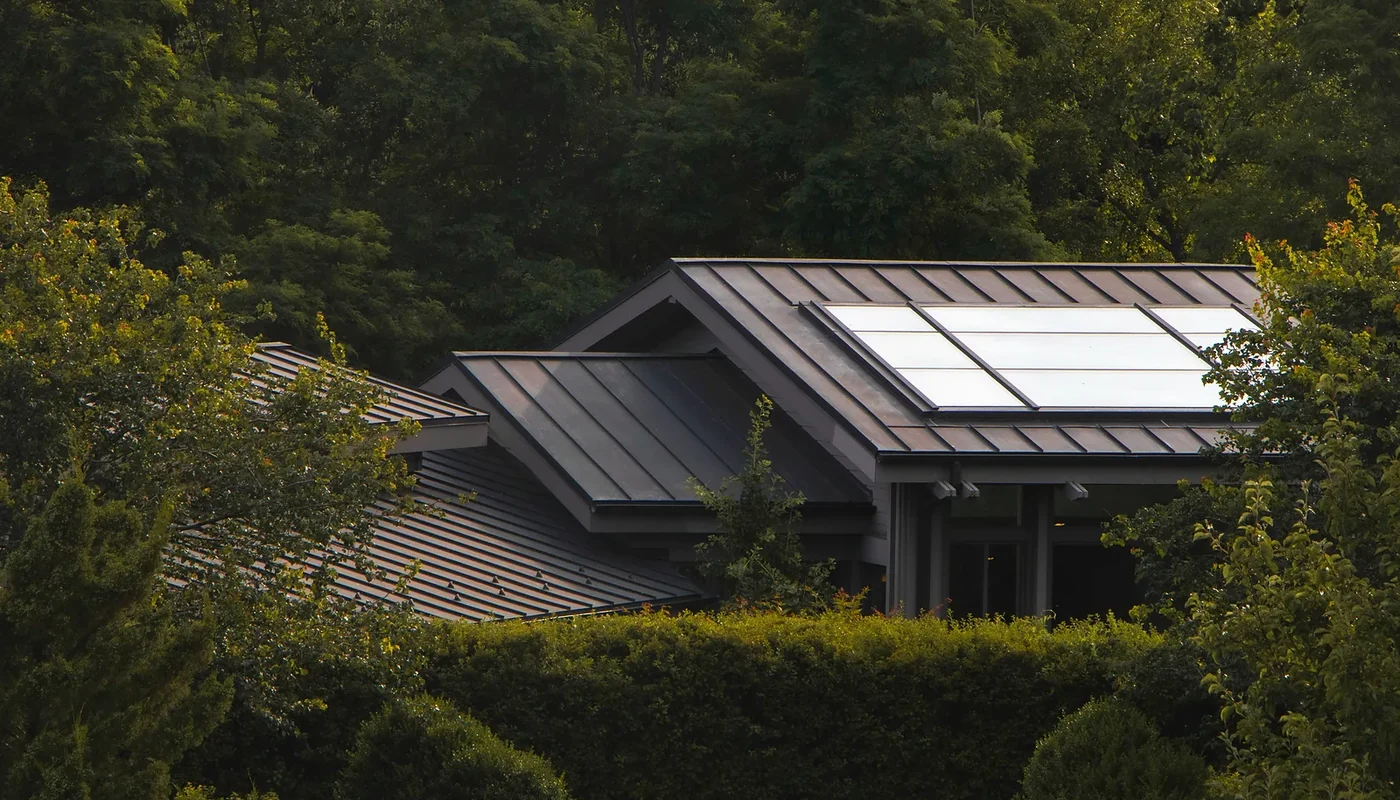
DOE guidance notes that many roof orientations can work, even though the ideal direction depends on hemisphere, latitude, roof slope, and when electricity is valuable. East- and west-facing arrays may produce less annual energy than the ideal orientation but can better match morning or afternoon loads.
A production model should use actual azimuth and tilt rather than assuming an ideal roof.
Model each roof plane separately.
Compare annual production and hourly load overlap.
Do not reject a non-ideal orientation without running the numbers.
Shade needs a time-based assessment
Trees, parapets, tanks, nearby buildings, and roof geometry create shadows that move through the day and year. Module-level electronics can reduce some mismatch losses, but they do not create energy where sunlight is blocked.
A site assessment should document shade assumptions and identify any tree trimming or layout compromises included in the proposal.
Review morning and afternoon shade, not only noon.
Ask for estimated shade losses in the production report.
Avoid placing modules where future vegetation growth will predictably block them.
Worked example
A smaller unshaded array can outperform a larger shaded array
Adding panels under a tree or behind a tall obstruction may increase nameplate watts while contributing little energy and complicating the electrical design. A production model should show the actual gain.
Optimize annual energy, not panel count.
Decision rule
Require a shade-aware production estimate for every roof plane included in the proposal.
Practical checklist
Take note of nearby obstructions and how shadows move during the day.
Ask for a simple explanation of expected shade losses.
Compare the installer’s recommended layout against your own observations of the roof.
Do not assume a large-looking roof automatically means a productive roof.
Evidence, scope and limitations
Shading is one of the easiest topics to underestimate. It deserves more attention than glossy renderings often give it.
International references are used for engineering and consumer principles. Philippine utility procedures, tariffs, permits and legal requirements must be confirmed using current local rules.
Research record
Sources and further reading
- [1]Homeowner’s Guide to SolarU.S. Department of Energy
- [2]Solar Photovoltaic System Design BasicsU.S. Department of Energy
- [3]PVWatts Calculator and Technical ReferenceNational Renewable Energy Laboratory
Source transparency
Each guide now identifies the publications used for its technical and consumer guidance.
Commercial separation
Installer inclusion, sponsorship, or advertising cannot change editorial conclusions.
Correction and source policy