Solar for farms
Think through pumps, ventilation, lighting, and cold loads before buying farm solar.
Author
SolarGabay Editorial Team — independent consumer-focused writers who translate technical sources into practical homeowner guidance.
Technical review
Reviewed against the published methodology, source hierarchy, and stated limitations. This is educational guidance, not site-specific engineering.
Update history
Last reviewed July 20, 2026. Corrections are logged through the public corrections process and material changes update this date.
View correction policyPractical answer
What you should know first
Farm solar can work well because many agricultural loads happen in the daytime, but the economics depend heavily on when loads run, whether the site has grid access, and how critical reliability is. Poultry, irrigation, and cold storage can each require a very different design approach.
Farm solar works best when the design follows the agricultural process, not a generic household package.
Decision map
Start with the farm process
Map loads by season
Irrigation, ventilation, lighting, refrigeration, processing, and staff housing.
Separate flexible loads
Move pumping or processing into sunny hours where operations allow.
Protect critical work
Plan storage or another backup for animal welfare, water, and cold-chain loads.
The variables that matter
Water pumping, ventilation, and cooling often shape the system more than lighting does.
Seasonality matters because irrigation and harvest cycles change the load profile.
Remote farms may need off-grid or hybrid planning rather than simple grid-tied economics.
Backup planning matters when load interruption affects animal welfare or crop value.
Map loads by season and time of day
Pumps, ventilation, poultry cooling, milking, refrigeration, and processing loads can have very different schedules. FAO guidance stresses the link between energy, water, crop requirements, and system operation rather than treating the panels as an isolated purchase.
Daytime loads are often a strong match for solar, but seasonal demand can leave an oversized array underused for part of the year. A load calendar is therefore as important as a monthly bill.
Record load, run hours, and season for each major activity.
Separate animal-welfare or cold-chain critical loads from flexible loads.
Plan for dust, heat, moisture, and remote maintenance access.
Reliability can be more valuable than bill savings
For remote or outage-prone farms, solar plus storage or a hybrid backup system may protect livestock, water supply, communications, or refrigeration. DOE farm planning guidance recommends identifying future electrification and critical loads before final sizing.
The design should also include an operating plan: who monitors the system, who responds to faults, and what fallback exists during prolonged bad weather or equipment failure.
Consider future pumps, cooling, and electric equipment.
Keep a backup plan for critical agricultural processes.
Train at least one on-site person to read alarms and perform basic checks.
Worked example
A daytime irrigation load can fit solar better than an overnight poultry load
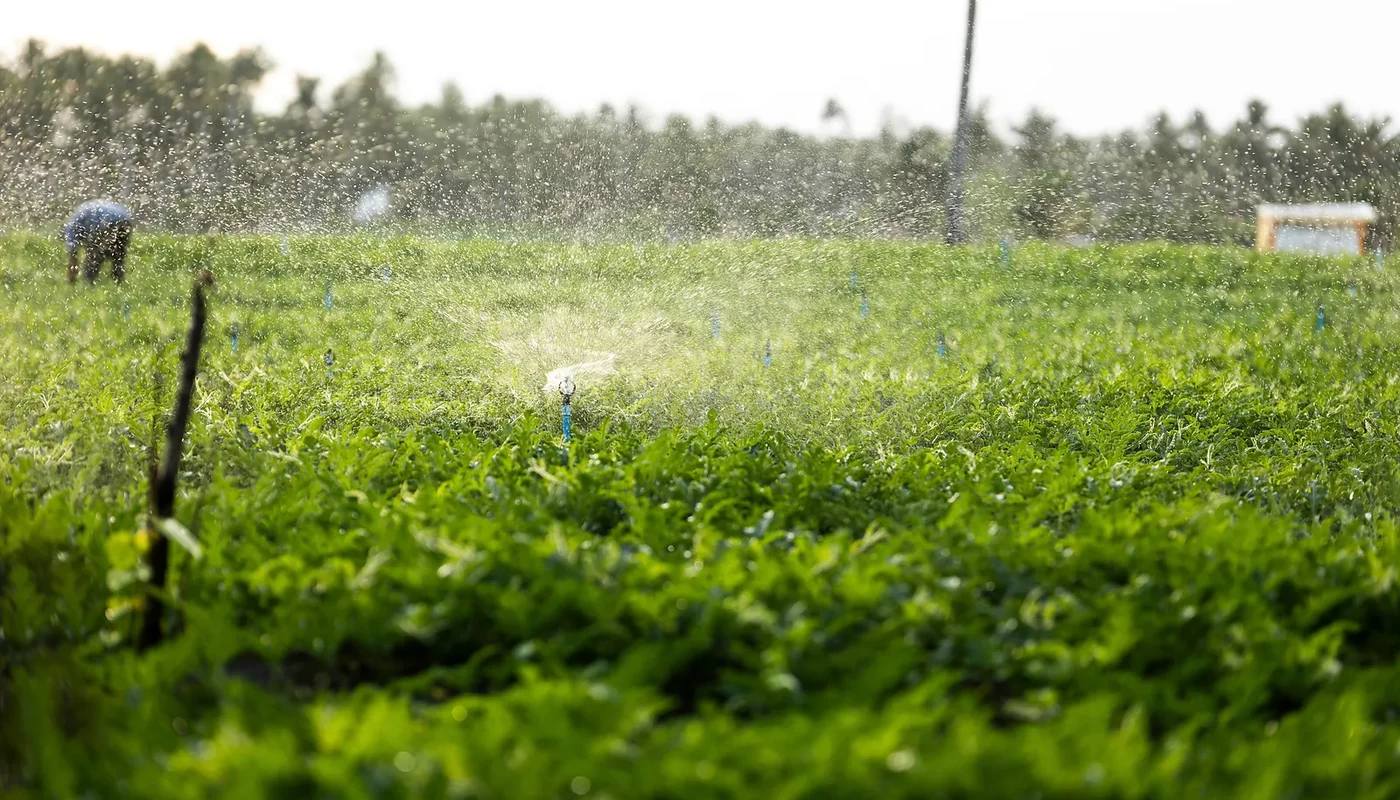
A pump that can fill a storage tank during sunny hours directly uses solar output. Ventilation needed through the night requires storage, grid supply, or another dependable backup.
Match energy architecture to the biological and production schedule.
Decision rule
Do not size farm solar from the monthly bill alone; build a seasonal load schedule and mark which processes cannot stop.
Practical checklist
Map the farm’s major loads by time of day and season.
Separate critical loads from flexible loads that can be scheduled around sunlight.
Check whether the farm already has electrical issues that should be fixed before adding solar.
Use realistic maintenance assumptions because dusty or harsh environments affect output and upkeep.
Evidence, scope and limitations
Farm solar is not automatically a giant savings machine. It becomes valuable when matched to real operating loads and field conditions.
International references are used for engineering and consumer principles. Philippine utility procedures, tariffs, permits and legal requirements must be confirmed using current local rules.
Research record
Sources and further reading
- [1]The Use of Solar Energy in Irrigated AgricultureFood and Agriculture Organization of the United Nations
- [2]USDA Research Farm Photovoltaic System PlanningU.S. Department of Energy FEMP
- [3]Best Practices for Operation and Maintenance of Photovoltaic and Energy Storage SystemsNational Renewable Energy Laboratory
Source transparency
Each guide now identifies the publications used for its technical and consumer guidance.
Commercial separation
Installer inclusion, sponsorship, or advertising cannot change editorial conclusions.
Correction and source policy