Solar for small businesses
Evaluate daytime loads, payback, and operational fit for commercial solar.
Author
SolarGabay Editorial Team — independent consumer-focused writers who translate technical sources into practical homeowner guidance.
Technical review
Reviewed against the published methodology, source hierarchy, and stated limitations. This is educational guidance, not site-specific engineering.
Update history
Last reviewed July 20, 2026. Corrections are logged through the public corrections process and material changes update this date.
View correction policyPractical answer
What you should know first
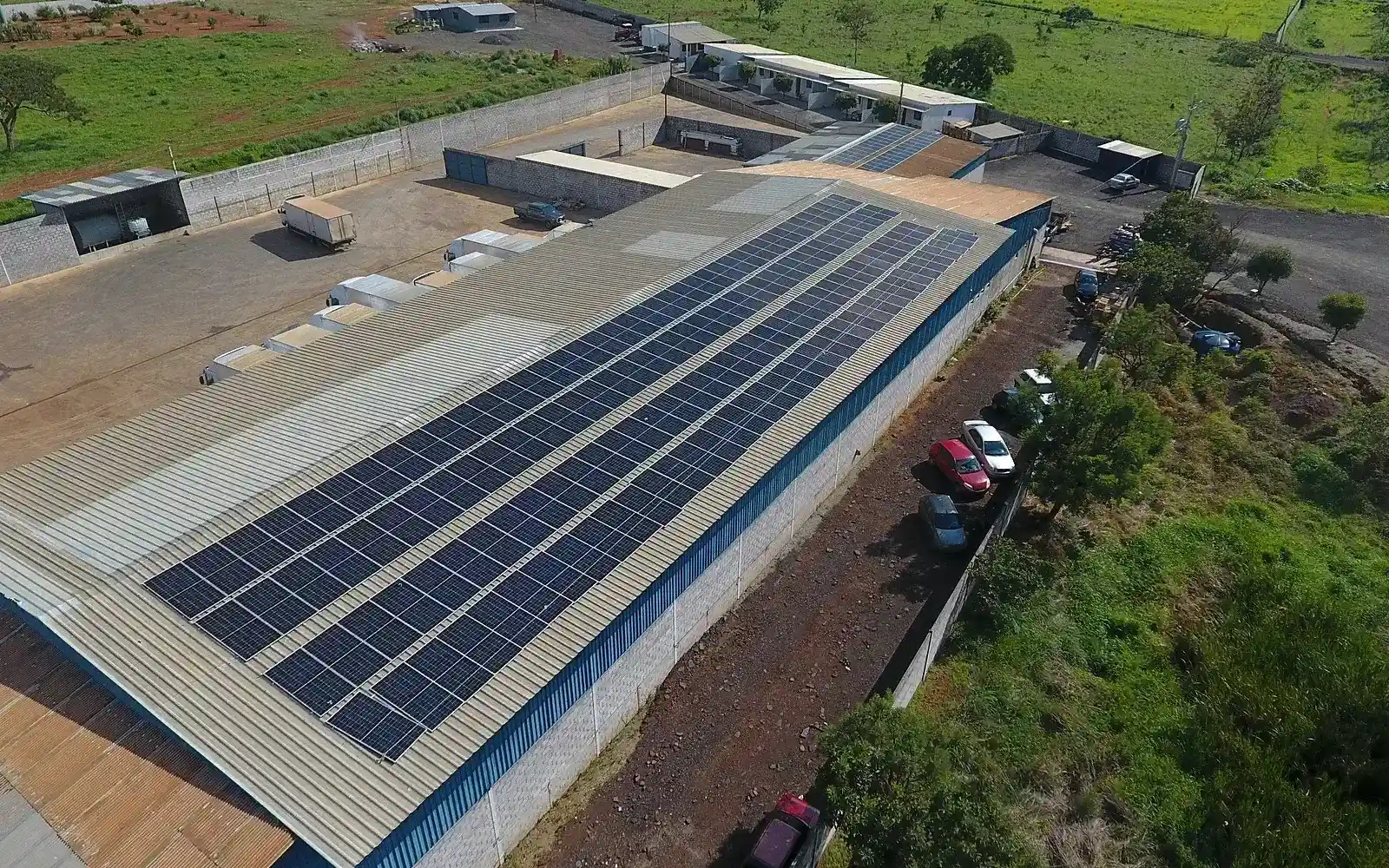
Small businesses often have a strong case for solar because many commercial loads happen during business hours. But the system still needs to match operating schedules, cooling demand, seasonal variation, and business cash-flow constraints.
Commercial solar is strongest when daytime load, roof control, and the ownership horizon line up.
Decision map
Model the business day
Operating load
Hourly consumption, demand peaks, motors, cooling, refrigeration, and production equipment.
Property terms
Roof ownership, lease length, landlord approval, insurance, and future expansion.
Business case
Cash flow, financing, downtime risk, maintenance, tax advice, and exit plan.
The variables that matter
Businesses with strong daytime consumption often capture solar value better than homes with low daytime use.
Cooling, refrigeration, and equipment cycles should be studied before sizing a system.
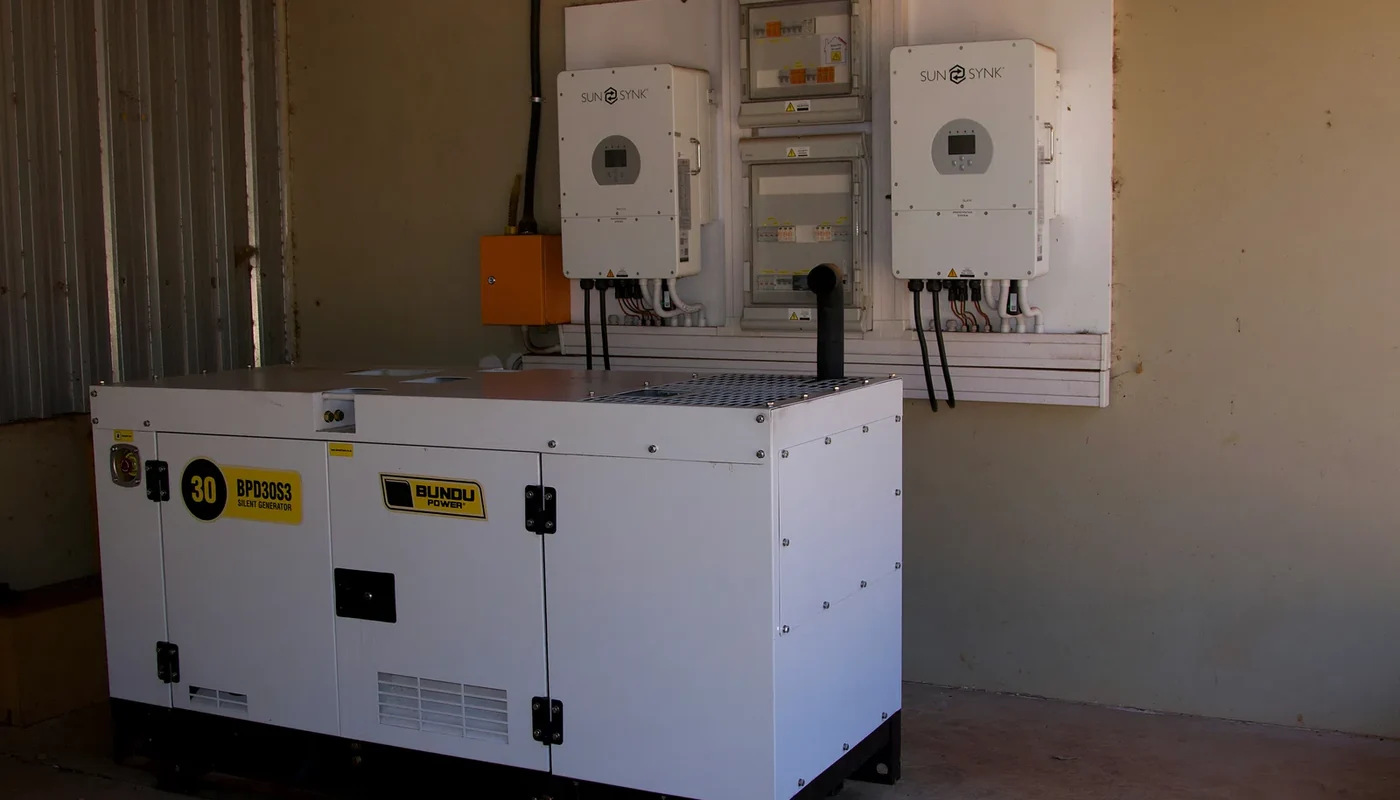
Downtime risk and business continuity may justify hybrid or backup-ready planning for some operations.
Tax, accounting, and financing treatment can affect the business decision.
Start with interval and operating data
Small enterprises often use electricity while the sun is available, which can increase self-consumption. However, refrigeration, air-conditioning, machinery, weekend operation, demand charges, and seasonal production can make a simple residential-style estimate inaccurate.
Commercial decision guides recommend examining utility tariffs, ownership structure, lease terms, incentives, interconnection, and roof responsibilities before selecting a procurement model.
Use interval or hourly load data if available.
Separate weekday, weekend, and seasonal operation.
Check lease length and who controls the roof.
Treat the project as an operating asset
Installation access, production downtime, roof warranty coordination, accounting, insurance, maintenance, and future business growth belong in the decision. A project that looks good on a static bill can fail if the business relocates or changes its operating hours.
The proposal should identify who monitors the system and how underperformance will be investigated without disrupting the business.
Model planned equipment and expansion.
Coordinate with the roof manufacturer or landlord.
Assign an internal owner for monitoring and service records.
Worked example
A daytime shop and a night-time business need different designs
A grocery or workshop operating in daylight may directly consume much of its solar production. A business with most load after sunset may need storage or may see weaker savings from the same array.
Hourly overlap matters more than monthly totals alone.
Decision rule
Build the proposal from interval or operating-hour data and confirm roof and lease rights before approving the investment.
Practical checklist
Map weekday and weekend load behavior separately.
Check whether the business expects growth that could change load patterns soon.
Review solar as part of operating-cost management, not only as a marketing gesture.
Ask the installer to explain the expected impact on operations during installation and after commissioning.
Evidence, scope and limitations
Commercial solar can be compelling, but only when the operational pattern genuinely matches the solar production window.
International references are used for engineering and consumer principles. Philippine utility procedures, tariffs, permits and legal requirements must be confirmed using current local rules.
Research record
Sources and further reading
- [1]On-Site Commercial Solar PV Decision GuideU.S. Better Buildings Initiative
- [2]A Guide for Adding Solar to Your RooftopU.S. Better Buildings Initiative
- [3]Electricity Use in HomesU.S. Energy Information Administration
Source transparency
Each guide now identifies the publications used for its technical and consumer guidance.
Commercial separation
Installer inclusion, sponsorship, or advertising cannot change editorial conclusions.
Correction and source policy