Checking roof condition before solar
Make sure your roof is ready before you install a system meant to stay for years.
Part of the: Solar system sizing for Philippine properties
Author
SolarGabay Editorial Team — independent consumer-focused writers who translate technical sources into practical homeowner guidance.
Technical review
Reviewed against the published methodology, source hierarchy, and stated limitations. This is educational guidance, not site-specific engineering.
Update history
Last reviewed July 20, 2026. Corrections are logged through the public corrections process and material changes update this date.
View correction policyPractical answer
What you should know first
Solar and roof condition are tightly linked. Installing a long-life solar system on a roof that is already near major repair or replacement can create avoidable cost, rework, and frustration. The right time to ask about roof condition is before you sign, not after panels are already ordered.
The roof should be able to outlast the disruption and cost of installing the solar array above it.
Decision map
Inspect the roof before covering it
Surface condition
Corrosion, cracked tiles, loose sheets, failed sealant, leaks, and drainage.
Structural condition
Framing, spans, connections, loading assumptions, wind exposure, and previous alterations.
Future service
Remaining roof life, access paths, panel removal cost, warranty boundaries, and drainage maintenance.
The variables that matter
Leaks, weakened framing, brittle materials, or short remaining roof life can all change the decision.
Roof replacement after solar installation is more complicated and often more expensive.
Installers should discuss roof condition honestly instead of treating it as someone else’s problem.
The right solution may be to reroof first, not to squeeze solar in immediately.
Check remaining roof life
DOE consumer guidance advises considering roof age and repair needs before solar installation. If reroofing is likely soon, doing it first usually avoids paying to remove and reinstall the array.
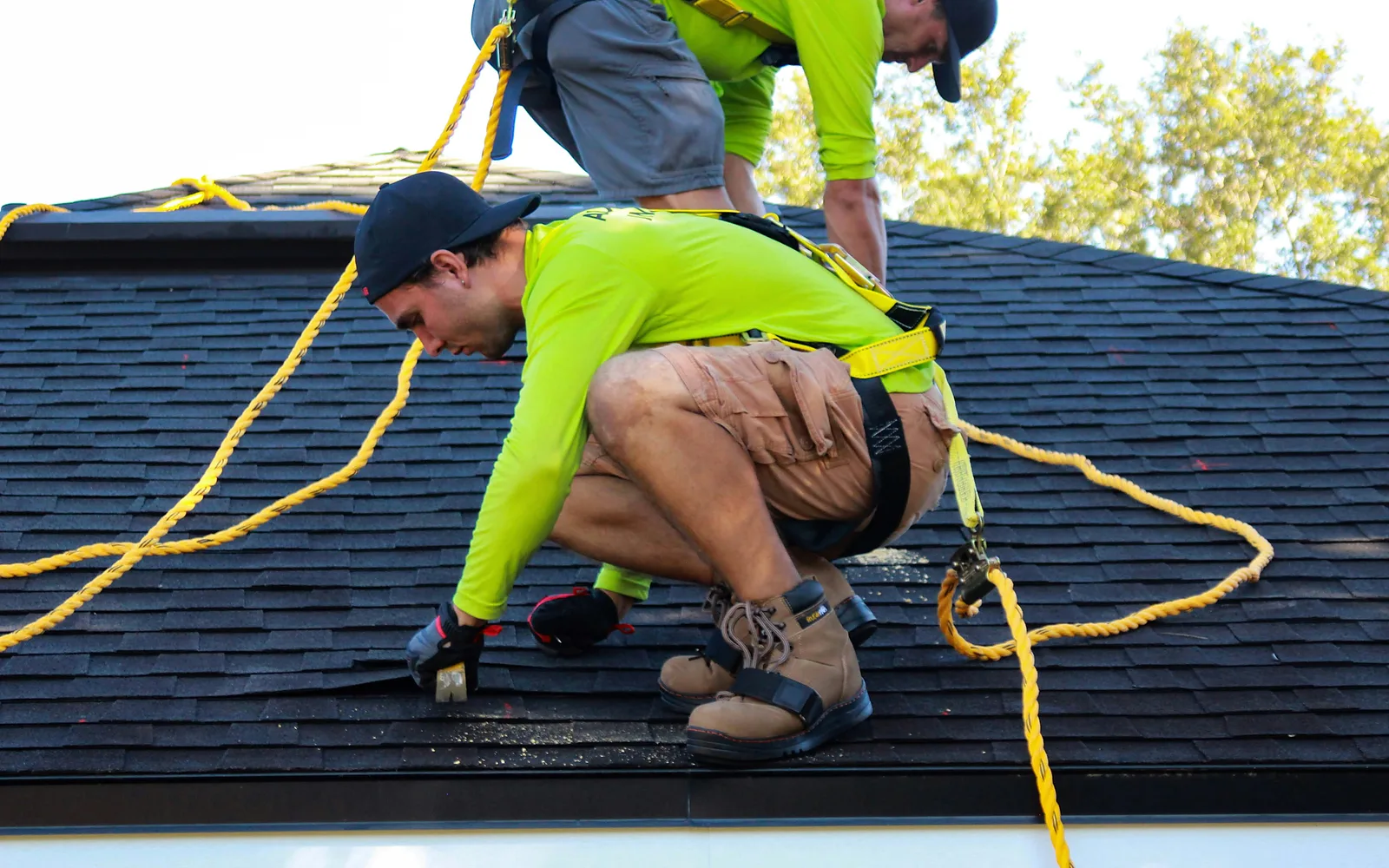
Leaks, corrosion, brittle tiles, weak fasteners, sagging framing, and previous patchwork should be evaluated before final layout and payment.
Document existing roof defects.
Coordinate with the roof warranty provider.
Do not let solar mounting hide unresolved leaks.
Check structure and attachment details
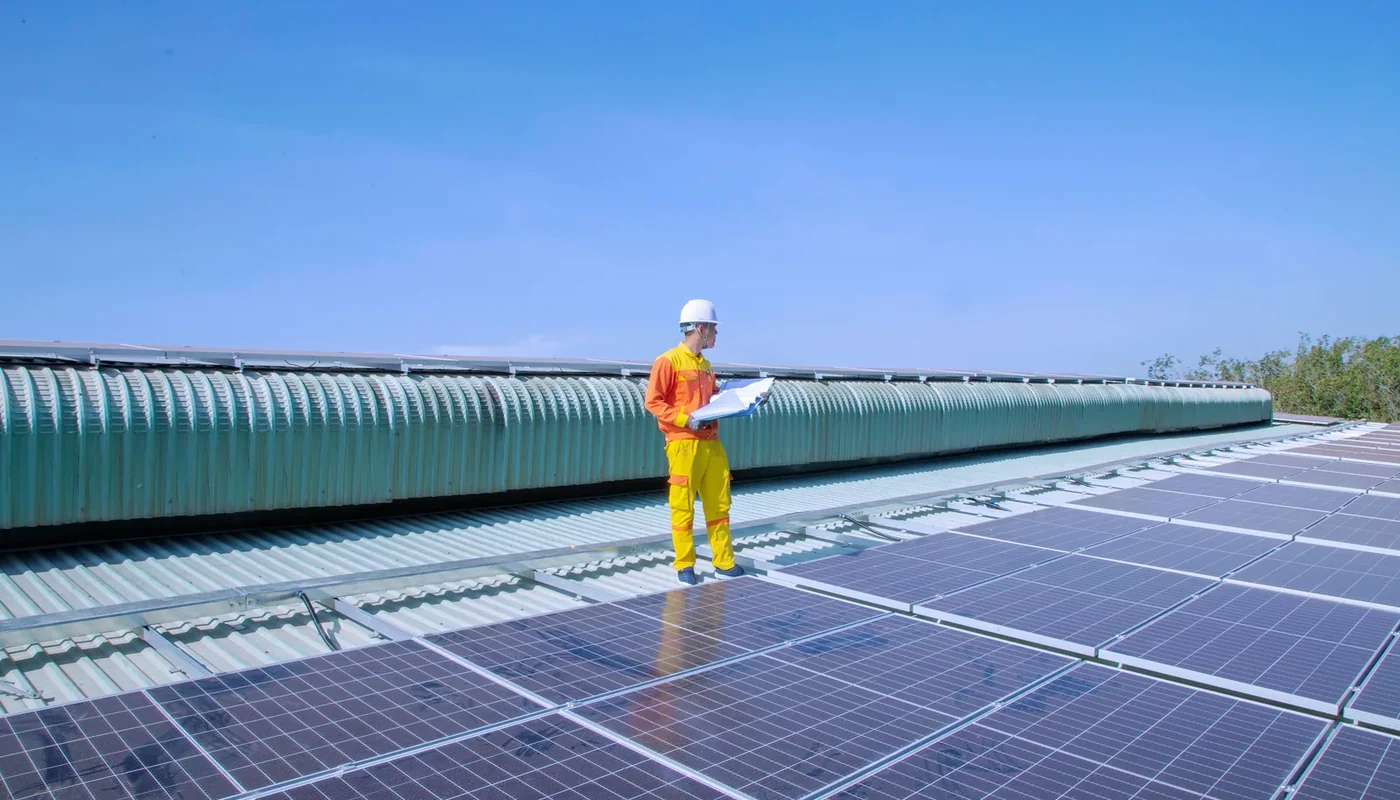
The roof must carry dead loads and resist wind forces transferred through the mounting system. Commercial rooftop guides emphasize coordination between solar and roofing professionals because waterproofing and warranty responsibilities overlap.
The final documents should identify attachment type, flashing or seal method, structural assumptions, and responsibility for leaks caused by installation.
Request a structural review when condition or wind exposure is uncertain.
Keep attachment locations in the as-built drawing.
Inspect the roof after severe weather and before warranty periods expire.
Worked example
A small existing leak can become an expensive solar dispute
If the pre-existing condition is not documented, the roofer and solar installer may each deny responsibility after panels are installed. A dated inspection and clear contract boundaries reduce that risk.
Document the roof before any attachment is drilled or fastened.
Decision rule
Repair or replace a roof first when its remaining life is shorter than the expected solar service period or its condition cannot be confidently documented.
Practical checklist
Inspect the roof or have it inspected if its condition is uncertain.
Ask whether the installer sees any concerns that would shorten the value of the solar system.
Document who is responsible for roof penetrations and waterproofing.
Delay the project if the roof is near major repair.
Evidence, scope and limitations
Patience is cheaper than reinstalling solar over a roof problem that was already visible.
International references are used for engineering and consumer principles. Philippine utility procedures, tariffs, permits and legal requirements must be confirmed using current local rules.
Research record
Sources and further reading
- [1]Homeowner’s Guide to SolarU.S. Department of Energy
- [2]A Step-By-Step Guide for Consumers Going SolarU.S. Department of Energy
- [3]A Guide for Adding Solar to Your RooftopU.S. Better Buildings Initiative
Source transparency
Each guide now identifies the publications used for its technical and consumer guidance.
Commercial separation
Installer inclusion, sponsorship, or advertising cannot change editorial conclusions.
Correction and source policy