When solar may not be worth it
Recognize the situations where delaying solar is the better decision.

Author
SolarGabay Editorial Team — independent consumer-focused writers who translate technical sources into practical homeowner guidance.
Technical review
Reviewed against the published methodology, source hierarchy, and stated limitations. This is educational guidance, not site-specific engineering.
Update history
Last reviewed July 20, 2026. Corrections are logged through the public corrections process and material changes update this date.
View correction policyPractical answer
What you should know first
Solar is useful in many cases, but not every home or business should rush into it. If the roof is in poor condition, daytime use is very low, financing is weak, or the ownership horizon is uncertain, the smarter move can be to wait, reduce load first, or solve another problem before installing solar.
Solar can be technically possible and still be a poor purchase at the present time.
Decision map
Run the reasons not to proceed
Weak site
Severe shade, failing roof, unsafe structure, poor access, or no usable area.
Weak economics
Low daytime use, short ownership horizon, expensive financing, or overstated exports.
Weak execution
Vague scope, poor installer support, unresolved permits, or unrealistic production claims.
The variables that matter
A roof nearing replacement can turn a solar install into rework cost.
Very low daytime usage can weaken the economics of a basic grid-tied system.
Weak financing or unstable cash flow can make even a technically good project feel burdensome.
If a property is likely to be sold soon, the owner should be realistic about payback timing and transfer value.
Conditions that weaken the case
A failing roof, severe shade, very low electricity use, limited daytime consumption, uncertain property tenure, or expensive financing can reduce the value of rooftop solar. The DOE homeowner guide explicitly notes that some roofs are unsuitable because of age, shape, or tree cover.
A buyer should also be cautious when the only attractive result depends on optimistic export credits, unrealistic tariff escalation, or a savings guarantee that cannot be audited.
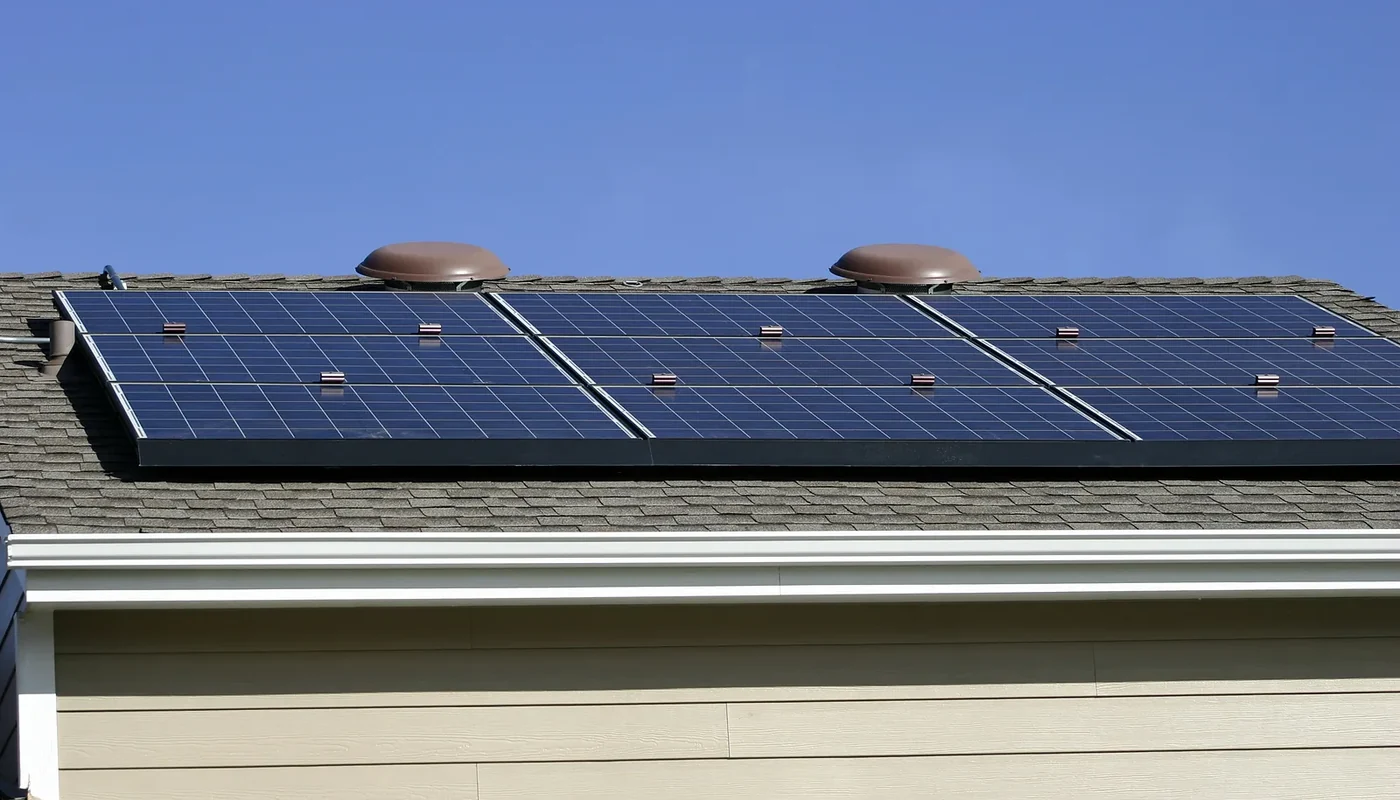
Fix a near-end-of-life roof first.
Reduce avoidable loads before sizing a system.
Delay if the financing remains unaffordable under conservative savings.
“Not yet” can be the correct recommendation
A smaller efficiency project, roof repair, electrical upgrade, or monitoring period may create better information and a stronger future solar case. Community or shared solar may be an alternative where available, although options differ by country and utility.
The honest test is whether the project still makes sense after removing sales urgency and using conservative assumptions.
Compare solar with the best non-solar use of the same budget.
Consider how long you expect to occupy or own the property.
Walk away from a seller who refuses to explain a weak case.
Worked example
Fixing the roof first can be the better solar decision
Installing panels on a roof likely to be replaced soon adds removal and reinstallation cost, leak risk, and warranty disputes. Delaying solar until the roof is ready can reduce lifetime cost.
A “not yet” decision can protect the eventual project.
Decision rule
Pause when any major roof, shade, ownership, financing, permitting, or installer risk remains unresolved.
Practical checklist
Check roof condition before discussing panel brands.
Review your daytime load profile honestly.
Fix glaring energy-efficiency issues first when they offer a faster return.
Be willing to defer the project if the foundation is not ready.
Evidence, scope and limitations
Being pro-solar does not mean forcing solar into every situation. Sometimes the best advice is “not yet.”
International references are used for engineering and consumer principles. Philippine utility procedures, tariffs, permits and legal requirements must be confirmed using current local rules.
Research record
Sources and further reading
- [1]Homeowner’s Guide to SolarU.S. Department of Energy
- [2]Solar Power for Your HomeU.S. Federal Trade Commission
- [3]PVWatts Calculator and Technical ReferenceNational Renewable Energy Laboratory
Source transparency
Each guide now identifies the publications used for its technical and consumer guidance.
Commercial separation
Installer inclusion, sponsorship, or advertising cannot change editorial conclusions.
Correction and source policy