Battery versus generator backup
Compare silence and convenience with fuel flexibility and lower upfront cost.
Part of the: Solar battery and brownout planning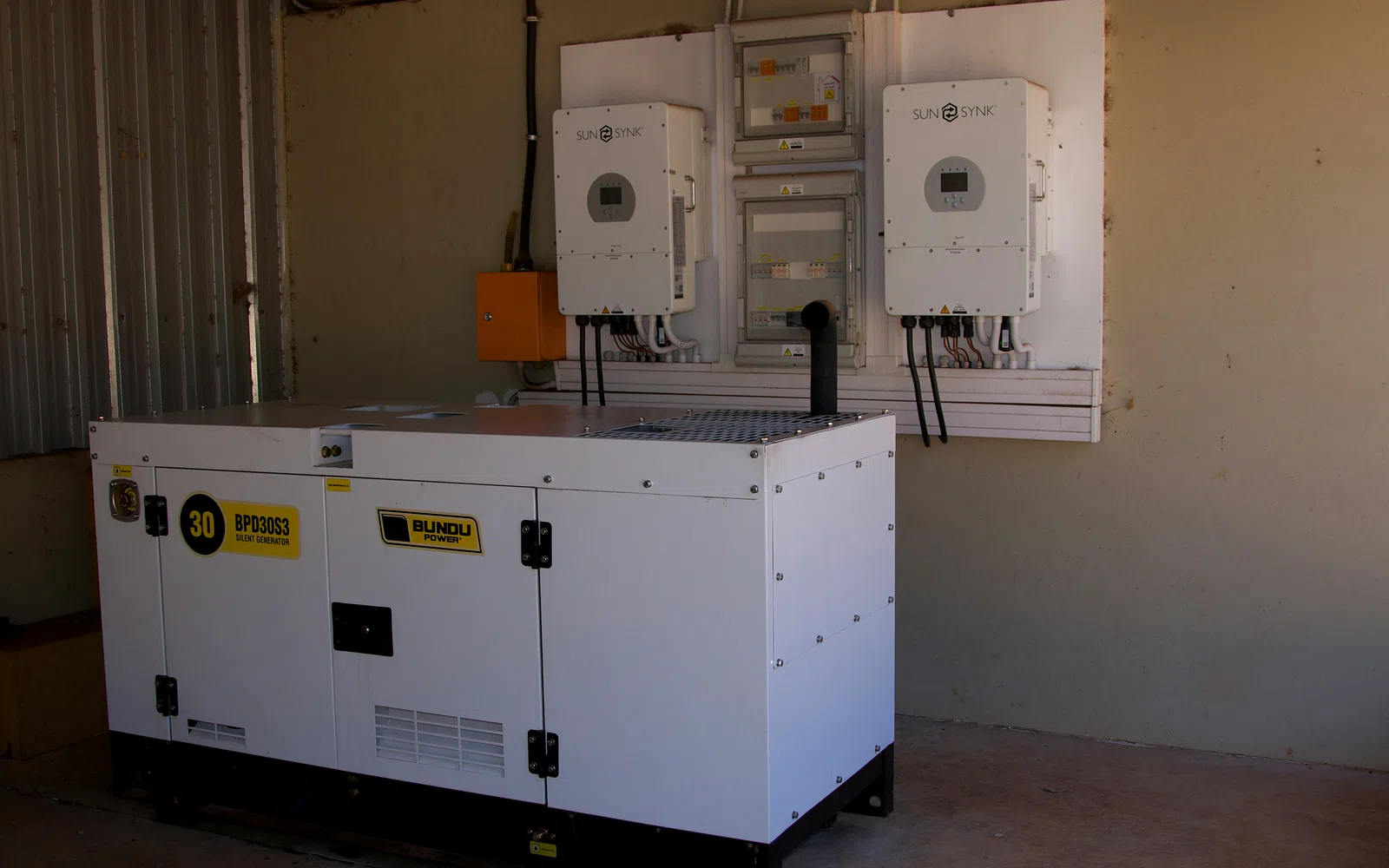
Author
SolarGabay Editorial Team — independent consumer-focused writers who translate technical sources into practical homeowner guidance.
Technical review
Reviewed against the published methodology, source hierarchy, and stated limitations. This is educational guidance, not site-specific engineering.
Update history
Last reviewed July 20, 2026. Corrections are logged through the public corrections process and material changes update this date.
View correction policyPractical answer
What you should know first
When backup power matters, many property owners compare batteries with generators. Each has strengths and weaknesses. Batteries are quieter and pair naturally with solar, while generators can offer longer runtime and lower upfront backup cost in some cases. The right choice depends on outage pattern, load size, and operating discipline.
Batteries and generators solve different backup problems and can also complement each other.
Decision map
Compare the service, not the device
Short, frequent outages
Battery backup offers automatic transfer, quiet operation, and no refueling during each event.
Long, rare outages
A generator can extend runtime if fuel, ventilation, maintenance, and safe operation are assured.
Critical continuous service
A layered design may use battery for instant transfer and a generator for extended events.
The variables that matter
Batteries provide instant backup and integrate well with solar, but runtime is limited by stored energy.
Generators can run longer if fuel is available, but they add noise, maintenance, emissions, and startup considerations.
Some users benefit from a hybrid approach where a battery handles short outages and a generator covers long ones.
The better solution depends on which loads matter most and how often outages occur.
Compare response, duration, and operating burden
Batteries switch quickly, operate quietly, and pair naturally with solar, but their duration is limited by stored energy and recharge conditions. Generators can run as long as fuel and maintenance are available, but they create noise, emissions, fuel-storage, and start-up requirements.
The fair comparison includes purchase, installation, transfer equipment, maintenance, fuel or battery replacement, and the value of automatic operation.
Compare critical-load kW and required runtime.
Include fuel availability and safe storage.
Check whether automatic transfer is required.
Safety can determine the practical choice
FEMA and the U.S. Fire Administration warn that portable generators must be operated outdoors away from doors, windows, and vents because carbon monoxide is deadly. Wet conditions, refueling, and improper connections add electrical and fire hazards.
A hybrid strategy can use batteries for short outages and a generator for prolonged low-sun events, but integration must be designed by qualified professionals.
Install carbon-monoxide alarms where fuel-burning backup is used.
Never operate a portable generator indoors or in a garage.
Test the backup plan and maintain both systems.
Worked example
A battery can bridge the time before a generator is safely started
Communications, medical devices, computers, and refrigeration can remain powered immediately while a properly located generator is checked and started. The two technologies can complement rather than replace each other.
Select the architecture from outage duration, load priority, fuel logistics, noise, and safety.
Decision rule
Use batteries for immediate selected-load continuity; add or retain a generator when credible outage duration exceeds affordable battery autonomy.
Practical checklist
List your critical loads and target runtime before comparing technologies.
Consider total ownership cost, not just the first purchase price.
Think about fuel access, storage, noise tolerance, and maintenance capability.
Do not assume one technology is always “more advanced” or automatically better.
Evidence, scope and limitations
Backup planning should start with use case, not trends. Batteries and generators solve different reliability problems.
International references are used for engineering and consumer principles. Philippine utility procedures, tariffs, permits and legal requirements must be confirmed using current local rules.
Research record
Sources and further reading
- [1]Portable Generator and Carbon Monoxide SafetyU.S. Fire Administration / FEMA
- [2]Solar and Resilience BasicsU.S. Department of Energy
- [3]Solar Integration: Solar Energy and Storage BasicsU.S. Department of Energy
Source transparency
Each guide now identifies the publications used for its technical and consumer guidance.
Commercial separation
Installer inclusion, sponsorship, or advertising cannot change editorial conclusions.
Correction and source policy